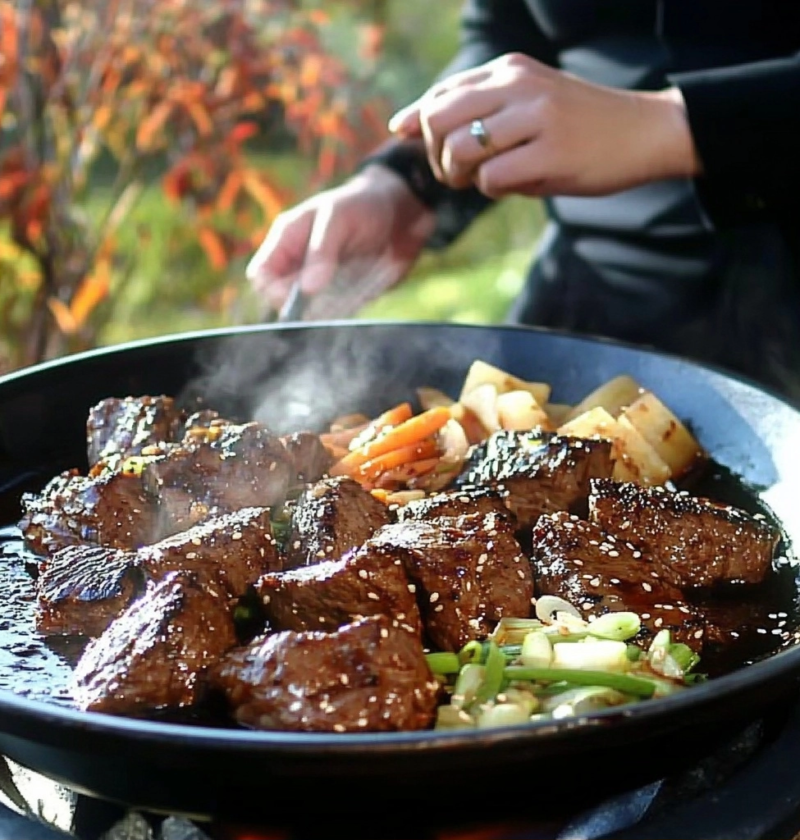
Korean BBQ refers to a style of cooking high-quality meats at the dining table using a built-in grill or portable burner. This specific dish features tender beef tenderloin marinated in a savory and sweet blend designed for quick grilling. The result is a meal perfect for family gatherings that emphasizes fresh textures and deep umami flavors in every bite.
Whether you prefer eating the meat as a main entree or wrapping it in lettuce leaves with various sides, this preparation offers immense satisfaction. The marinade uses fruit and aromatic spices to tenderize the beef effectively while imparting a glossy shine upon the grill. Home cooks will find this recipe accessible yet capable of delivering restaurant-quality results consistently.
| Detail | Information |
|---|---|
| Prep Time | 20 minutes |
| Cook Time | 15 minutes |
| Total Time | 35 minutes plus marinating |
| Servings | 4 to 6 people |
| Difficulty | Easy |
| Cuisine | Korean |
| Category | Beef Entrees |
| Method | Grilling and Searing |
Why This Recipe Works
This recipe works because the combination of natural fruit enzymes and acidity breaks down tough muscle fibers in the beef. Using Korean pear or Asian pear instead of generic fruit adds a distinct sweetness that balances the salty soy sauce element. The result is a melt-in-your-mouth texture that is difficult to achieve without this specific marinating technique.
The balance of ingredients ensures that the meat does not dry out during the high-heat cooking process required for authentic grilling. Brown sugar or rice syrup creates a caramelized exterior that locks in moisture while the ginger and garlic provide a fragrant aroma. This specific marinade also prevents the meat from sticking to the grill pan or grate if the pan is sufficiently hot.
Furthermore, the inclusion of toasted sesame oil adds a nutty depth that elevates the overall flavor profile. It is essential to understand that the marinade acts as both a tenderizer and a seasoning, allowing for minimal additional salt during the actual cooking phase. The beef tenderloin is naturally lean, making it an excellent choice for a healthy yet indulgent meal option.
Chef Tips for Perfect Results
To achieve the best results, ensure the meat is sliced against the grain for maximum tenderness.
- Temperature control: Bring the meat to room temperature before grilling to ensure even cooking throughout the thick cuts.
- Grill heat: Preheat your grill pan to medium-high heat before placing the beef slices on the surface to sear quickly.
- Marinade usage: Do not reuse the marinade that touched raw meat as a sauce without boiling it first to kill bacteria.
- Meat slicing: Freeze the beef for 30 minutes prior to slicing if you are struggling to cut thin, even pieces.
- Fruit juice: Ensure the crushed pear releases enough juice during the mixing process to coat all the meat thoroughly.
- Aromatics: Mince the garlic and ginger very finely so they do not burn quickly while seared on high heat.
- Safety temp: Use a meat thermometer to check for medium doneness around 140 degrees Fahrenheit to avoid overcooking.
- Serving warmth: Serve the cooked meat immediately on warm plates to prevent the fat from congealing on the surface.
Common Mistakes to Avoid
Many home cooks encounter issues with dryness or uneven cooking due to simple procedural errors.
| Mistake | Why It Happens | How to Fix It |
|---|---|---|
| Overcrowding the pan | Spills moisture and lowers temperature instantly | Cook in batches to maintain high heat |
| Using cold meat | Causes uneven cooking and longer time | Let sit out for 20 minutes before cooking |
| Ignoring grain direction | Can result in a chewy texture | Slice perpendicular to muscle fibers |
| Burning the garlic | Garlic burns faster than the meat cooks | Remove meat first then add aromatics later |
| Skipping the resting phase | Juices run out when sliced immediately | Rest meat for 5 minutes before serving |
| Under-marinating | Flavors remain on the surface only | Marinate for at least 30 minutes minimum |
| Using cold oil | Prevents the meat from searing properly | Heat oil until it shimmers before adding |
Variations and Substitutions
There are several ways to adapt this recipe based on dietary preferences or ingredients available in your kitchen.
| Ingredient or Element | Substitution or Variation | Impact on Flavor or Texture |
|---|---|---|
| Beef Tenderloin | Sirloin steak sliced thin | Less tender but more chewy texture |
| Soy Sauce | Coconut aminos | Slightly sweeter and lower sodium |
| Brown Sugar | Honey | More floral sweet note |
| Rice Syrup | Agave nectar | Similar viscosity and mild flavor |
| Green Onion | Chives | Milder onion flavor profile |
| Carrot Slices | Radii sliced daikon radish | Crunchier and slightly peppery taste |
| Black Pepper | White pepper | Distinct earthy flavor without specks |
| Asian Pear | Pear with cinnamon | Adds spiced complexity to the fruit base |
Serving Suggestions and Pairings
Serving this Korean beef dish involves creating a balanced meal with side options and dips.
- Steamed white rice or brown rice to absorb the sauces.
- Butter lettuce leaves for wrapping the meat and rice.
- Ssamljang dipping sauce mixed with sesame oil.
- Sliced fresh garlic cloves for an aromatic crunch.
- Kimchi or cabbage kimchi for a spicy fermented contrast.
- Cool cucumber salad to balance the richness of the beef.
- Grilled eggplant with soy glaze as a vegetable side.
- Hot water with lemon or unsweetened green tea.
- Spicy bean paste stew or soup as a starter.
- Juicy watermelon slices to end the meal on a sweet note.
- Crispy tofu bites for an additional protein option.
- Fresh mint sprigs for garnish and added freshness.
Imagine a meal where you place a piece of the glistening grilled beef onto a lettuce leaf, add a grain of rice, a slice of garlic, and a touch of ssamjang. Wrap it up and eat it in one bite to experience a mix of savory, sweet, and spicy flavors together. This interactive dining style makes it perfect for social gatherings.
Make Ahead Options
Yes, you can prepare the marinade and sliced meat up to 24 hours in advance. This allows the flavors to penetrate deeper into the muscle fibers of the beef. Prepare the marinade ingredients first, then add the sliced beef and store it in a sealed container in the refrigerator.
Freezing is another option if you wish to prepare it 3 months ahead, though thawing must happen slowly in the fridge. Ensure that the container is airtight to prevent freezer burn from affecting the texture of the lean meat. Just remember to let it thaw completely before cooking to ensure even heat distribution.
Storage and Reheating
Proper storage methods extend the shelf life and maintain the quality of the leftover beef.
| Method | Duration | Instructions |
|---|---|---|
| Room Temperature | 2 hours | Keep covered if not serving immediately |
| Refrigerator | 3 days | Store in an airtight container with lid sealed |
| Freezer | 3 months | Wrap tightly in freezer safe bags to prevent frost |
| Reheating | 5 minutes | Reheat in skillet over medium heat until warm |
| Make Ahead | 24 hours | Refrigerate raw meat in marinade before cooking |
Nutritional Information
Approximate values are based on one serving and may vary depending on exact ingredients and portion size.
| Nutrient | Amount per Serving |
|---|---|
| Calories | 350 |
| Protein | 30 grams |
| Fat | 20 grams |
| Saturated Fat | 7 grams |
| Carbohydrates | 10 grams |
| Fiber | 1 gram |
| Sugar | 8 grams |
| Sodium | 800 milligrams |
Frequently Asked Questions
Can I substitute the beef with pork?
You can substitute beef with pork tenderloin for a different texture profile. It requires less marinating time because pork is slightly more tender than beef. Ensure it is cooked to a safe internal temperature of 145 degrees Fahrenheit to guarantee it is safe to eat.
How do I know when the beef is fully cooked?
You know the beef is fully cooked when it changes color from pink to brown and feels firm to the touch. Use a meat thermometer to confirm the internal temperature reaches 145 degrees for medium or 160 degrees for well done. Visual cues and timing will also indicate the meat is ready to serve.
Why is my meat tough after cooking?
If your meat is tough, it might be due to a lack of marinating time or an incorrect grain direction when slicing. The fruit enzymes are necessary to tenderize the muscle fibers, so do not skip the pear in the mixture. Slicing the meat thinly and against the grain is also crucial for tenderness.
Can this recipe be made in a slow cooker?
This recipe is designed for high heat searing and is not suitable for slow cooking methods. The texture will become dry and chewy if cooked slowly for an extended period. The grilled method provides the specific char and flavor associated with Korean BBQ.
What is the best way to serve the rice?
Steamed short-grain white rice is the traditional and best pairing for this beef dish. Serve it hot in small bowls to complement the portion size of the meat. You may also serve it over cauliflower rice for a lower carbohydrate option.
How long can I store leftover Korean BBQ sauce?
Leftover marinade should be boiled for at least two minutes to be safe if you want to use it as a dipping sauce. Store any boiled sauce in an airtight container in the refrigerator for up to a week. Reheat the sauce gently before using it over the fresh meat.
Conclusion
This Korean BBQ beef tenderloin recipe simplifies an authentic dining experience into a manageable home meal. The perfect balance of sweet pear and savory soy ensures every bite is tender and flavorful. You will love the rich texture and the versatility of the side pairings. Enjoy making this delicious meal for your family tonight.
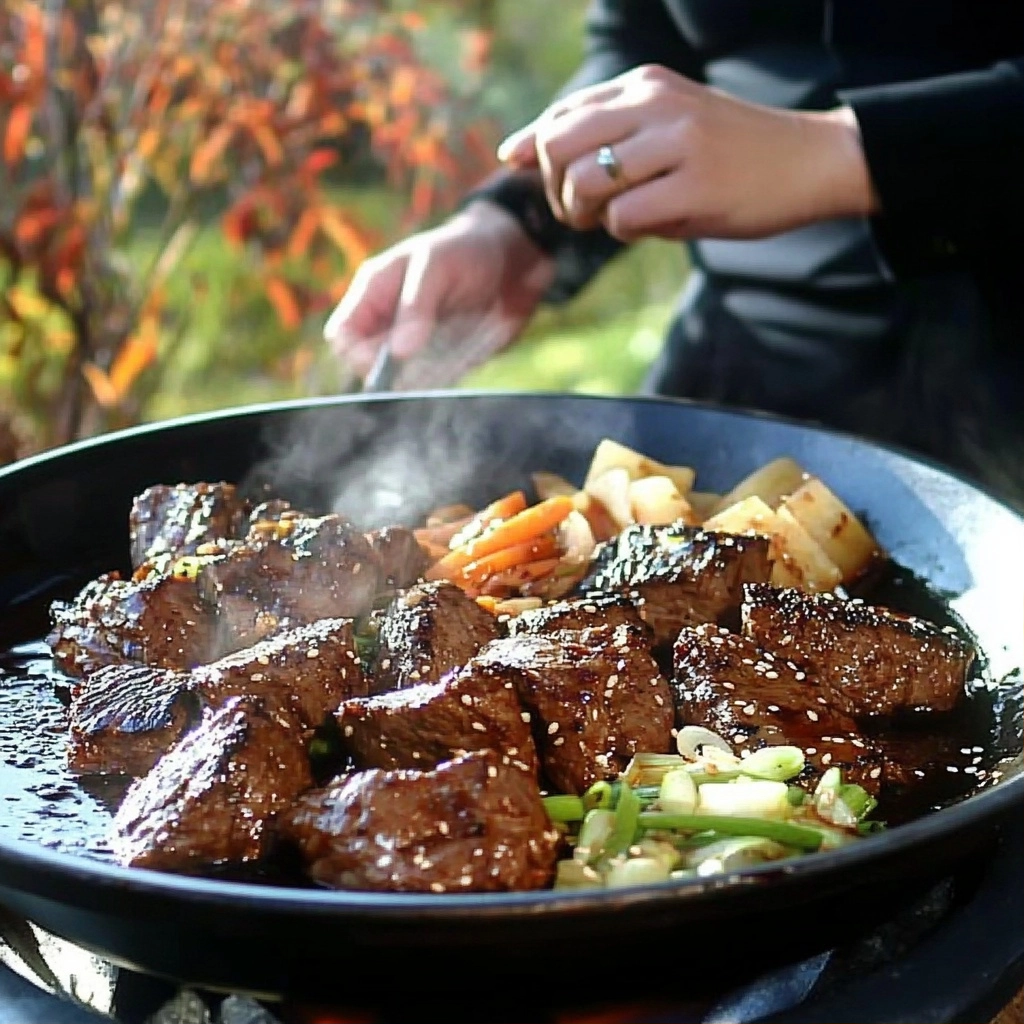
Korean BBQ Beef Tenderloin with Sweet Soy-Marinated Glaze
Ingredients
Method
- Pat beef tenderloin dry and cut into 1-inch strips
- In a bowl, mix soy sauce, brown sugar, sesame oil, pear juice, garlic, and ginger
- Pour marinade over beef, toss to coat
- Marinate in fridge for 30 minutes to 2 hours
- Bring meat to room temperature 10 minutes before grilling
- Heat grill to high (450°F/230°C)
- Grill beef for 2-3 minutes per side until caramelized
- Baste with excess marinade during cooking
- Let rest 5 minutes before slicing
- Serve with lettuce wraps or rice
Nutrition
Notes
Use a meat thermometer to check doneness (130°F/54°C for medium-rare)
Grill surface should be hot to prevent sticking
Rest meat 10 minutes for juicier results