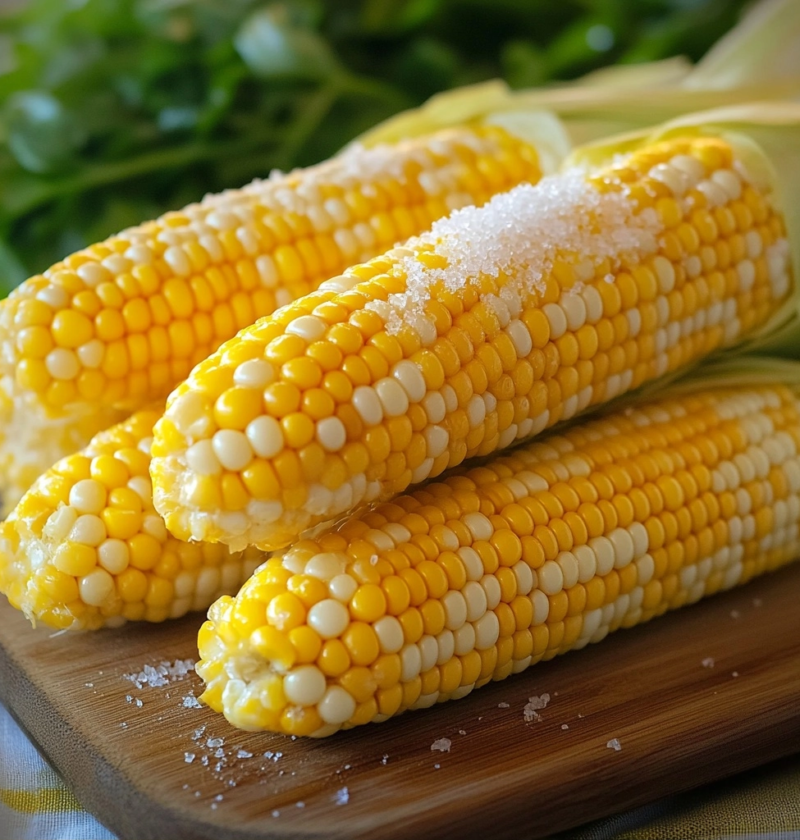
This sweet and tender boiled corn recipe transforms ordinary vegetables into a vibrant centerpiece for any table. The secret lies in a gentle boiling technique that retains moisture while infusing the kernels with a natural brightness. It is the perfect side dish for grilling season, potlucks, or a quick weeknight dinner when you crave something fresh and comforting.
| Detail | Information |
|---|---|
| Prep Time | 5 minutes |
| Cook Time | 10 minutes |
| Total Time | 15 minutes |
| Servings | 6 ears |
| Difficulty | Easy |
| Cuisine | American |
| Category | Vegetable Side |
| Method | Boiling |
Why This Recipe Works
This specific cooking method works because it focuses on steaming the corn rather than aggressively boiling it. By filling the pot to three-quarters full and turning off the heat, you create a steam environment that keeps the kernels plump and juicy without turning them into a starchy mush. The addition of a small amount of white sugar and lemon juice is a clever culinary hack. The sugar enhances the natural sugars already present in the corn, while the lemon juice adds a subtle acidity that brightens the flavor profile and balances the sweetness, preventing the dish from tasting bland.
The texture is consistently perfect because the corn is submerged entirely but not subjected to a rolling boil that would cause water to penetrate the kernels rapidly. This technique ensures that the ‘cream’ inside the corn remains intact, offering a delightful pop when you take a bite. It is a foolproof method that minimizes the risk of overcooking, which is a common issue with this vegetable.
Beyond the technical success of the texture, this dish is incredibly versatile. It serves as a blank canvas that pairs well with almost any main course, from juicy burgers to grilled chicken or roasted beef. The simplicity of the recipe means you can focus on other aspects of your meal, knowing this side will be ready in just fifteen minutes.
Chef Tips for Perfect Results
To ensure every ear is cooked to perfection, pay close attention to the water level and the timing. Follow these expert tips to maximize flavor and texture.
- Keep the water level high: Ensure the pot is filled with at least three-quarters of water. If the water is too shallow, the boiling action becomes too intense, which can toughen the fibers of the corn.
- Dissolve the seasonings fully: Stir the sugar and lemon juice vigorously until they disappear. You want the entire pot of water to have the same subtle flavor distribution, not pockets of sweetness in the corners.
- Do not uncover during cooking: Once you place the corn in the pot, cover it immediately. The lid traps the steam, which cooks the corn evenly from all sides and helps preserve the natural moisture inside the kernels.
- Check for doneness visually: You can pull an ear out halfway through the 10 minutes to test it. If the kernels look plump and feel tender to the touch, it is ready. If they still feel hard, leave it in for another two minutes.
- Work quickly when serving: Corn tastes best immediately after cooking while the sugars are at their peak. If you need to hold the corn for a party, keep it in the covered pot with the residual heat to maintain its temperature without overcooking.
- Use fresh corn when possible: While this method works well with frozen corn, fresh corn harvested within 24 hours is superior. The fresher the corn, the less sweetening power the sugar in the water needs to provide.
- Shuck just before cooking: Remove the husks and silk right before you start boiling. Leaving them on for too long can cause the corn to develop a grassy flavor or stain the kernels slightly.
Common Mistakes to Avoid
Avoiding these frequent errors will instantly improve the quality of your boiled corn.
| Mistake | Why It Happens | How to Fix It |
|---|---|---|
| Boiling for too long | Leaving corn on the heat after 10-15 minutes breaks down the cell walls. | Remove the corn immediately after the time is up. Use residual heat in the pot to finish cooking. |
| Overcrowding the pot | Adding too many ears lowers the water temperature drastically. | Boil the corn in batches or use a much larger pot to ensure the water maintains a rolling boil. |
| Skipping the salt | Salt draws out moisture and can toughen the skin of the corn during cooking. | Refrain from salting the water. Season the cooked corn directly with butter, salt, and pepper. |
| Using old corn | Field corn or corn that has been sitting in the fridge for weeks lacks natural sweetness. | Buy fresh corn and check the silk; brown silks usually indicate the corn is past its prime. |
| Removing the lid too soon | The steam is essential for even cooking and softening the corn. | Leave the lid on the pot for the entire cooking duration until you are ready to drain. |
| Rinsing with cold water immediately | Shocking the corn stops the cooking process but can make it less tender. | Let the corn sit in the hot water after removing it from the stove for a few minutes to firm up the texture. |
| Not removing all the silk | Old silk fibers can get trapped between kernels and are difficult to eat. | Wash the corn under running water and use a soft brush or a paper towel to wipe away stubborn silk. |
Variations and Substitutions
While the classic recipe is perfect on its own, you can adapt it to suit different dietary needs and flavor preferences.
| Ingredient or Element | Substitution or Variation | Impact on Flavor or Texture |
|---|---|---|
| White Sugar | Maple Syrup or Honey | Adds a deeper, more complex caramel sweetness and a richer color to the kernels. |
| Lemon Juice | Balsamic Vinegar or Lime Juice | Lime provides a citrusy zest, while Balsamic adds a tangy, slightly sweet profile. |
| Water | Broth (Chicken, Vegetable, or Beef) | Infuses the corn with savory umami flavor, making it a more robust side dish. |
| Corn Type | Blue, White, or Rainbow Corn | Alters the aesthetic appeal and may offer slightly different sweetness levels and textures. |
| Butter | Olive Oil, Melted Coconut Oil, or Vegan Butter | Offers a dairy-free alternative that still provides rich mouthfeel and flavor. |
| Seasoning | Cajun Seasoning, Chili Powder, or Paprika | Transforms the dish into a spicy, smoky snack rather than a sweet vegetable side. |
| Cooking Method | Steaming in the Husk | Retains more moisture and adds a grassy flavor, though it takes longer and changes the texture. |
Serving Suggestions and Pairings
Enhance the dining experience with these creative ways to serve and pair your boiled corn.
- Classic Buttered Corn: Coat hot ears with unsalted butter and sprinkle with sea salt.
- Everything Bagel Seasoning: Toss warm corn in olive oil and coat generously with this blend of garlic, onion, poppy seeds, and sesame seeds.
- Chili-Lime Salsa: Drizzle corn with fresh lime juice, diced chilies, cilantro, and a pinch of cayenne pepper.
- Caprese Style: Top each ear with fresh mozzarella pearls, basil leaves, and a drizzle of balsamic glaze.
- Mexican Street Corn: Mash corn with mayonnaise, cotija cheese, lime juice, and chili powder for a creamy, robust flavor.
- Soy-Ginger Glaze: Mix soy sauce, grated ginger, and a splash of sesame oil for an Asian-inspired dipping sauce.
- Honey-Hickory Glaze: Brush corn with melted honey and a sprinkle of smoky paprika or liquid smoke.
- Garlic Herb Compound Butter: Mix softened butter with minced garlic, parsley, and lemon zest for a sophisticated spread.
A complete meal idea consists of serving the sweet corn on the cob alongside seasoned grilled chicken breasts and a fresh arugula salad with cherry tomatoes. The sweetness of the corn balances the savory protein, while the sharpness of the salad cuts through the richness of the seasonings.
Make Ahead Options
You can prepare parts of this recipe in advance to streamline your dinner preparation. While the corn is best eaten fresh, you can shuck the ears up to one day before cooking. Simply place the uncooked, shucked ears in a sealed plastic bag or container and store them in the refrigerator. This prep step saves significant time on the day of the meal.
For hot parties or barbecues, you can cook the corn in large batches and keep it warm for up to two hours. Toward the end of the cooking time, turn off the heat but keep the pot covered. The residual steam will hold the corn at the ideal serving temperature without continuing to cook it. If you need to keep the corn warm longer, set the covered pot in a bowl of warm water (but not boiling) to maintain heat without overcooking.
Storage and Reheating
Proper storage ensures your leftover corn remains safe and delicious for future meals.
| Method | Duration | Instructions |
|---|---|---|
| Room Temperature | 2 hours | Do not leave boiled corn out at room temperature for more than two hours. Bacteria grow rapidly in the “danger zone” between 40°F and 140°F. |
| Refrigerator | 3 to 5 days | Allow corn to cool completely, then store in an airtight container. Wrapped in aluminum foil or placed in a plastic bag, it can stay fresh in the fridge for up to a week. |
| Freezer | 10 to 12 months | For long-term storage, blanch the corn in boiling water for 3 minutes, cool quickly in ice water, and freeze in freezer bags. While the texture may change slightly, the flavor is preserved. |
| Reheating | 5 to 10 minutes | Reheat in the microwave with a damp paper towel or in a skillet with a splash of water. Add butter or sauce after reheating to restore moisture. |
| Make Ahead | 1 day | Prep the corn by shucking and storing it in the fridge. Cook it fresh the next day for the best texture. |
Nutritional Information
Approximate values are based on one serving and may vary depending on exact ingredients and portion size.
| Nutrient | Amount per Serving |
|---|---|
| Calories | 85 calories |
| Protein | 3 grams |
| Fat | 1 gram |
| Saturated Fat | 0 grams |
| Carbohydrates | 19 grams |
| Fiber | 3 grams |
| Sugar | 4 grams |
| Sodium | 5 mg |
Frequently Asked Questions
Can I boil corn with the husks on?
Yes, you can boil corn with the husks on, but you will not achieve the same level of sweetness or tenderness. The husks act as an insulator, and boiling them can result in a watery texture. Furthermore, removing the husks and silk beforehand ensures the corn absorbs the sugar and lemon juice from the water more effectively.
How do I know if the corn is done boiling?
The corn is done boiling when the kernels feel tender when pressed with a finger. If you can pierce the kernels easily without resistance, they are ready. Visual cues include the kernels plumping up slightly and turning from a dull color to a vibrant, deeper green or yellow, depending on the variety.
Why should I add lemon juice to boiling corn?
Adding a small amount of acid, such as lemon juice, helps to balance the natural sugars in the corn. It enhances the flavor profile and brightens the overall taste. Additionally, the acid can help break down some of the cellulose in the outer layer of the kernel, contributing to a softer texture.
Can I use this recipe for frozen corn?
Yes, this recipe works perfectly with frozen corn. However, you will likely need to add an extra 2 to 3 minutes of cooking time to ensure the corn reaches the desired tenderness. Since frozen corn is fully cooked, you are simply reheating and infusing it with flavor rather than boiling it from raw.
Is it better to salt the water for corn?
It is generally recommended to avoid salting the water when boiling corn. Salting the water can draw moisture out of the corn and toughen the kernel texture. It is better to season the corn after it has been cooked and drained, using butter, salt, and pepper to your liking.
How should I store leftover corn on the cob?
To store leftovers, allow the corn to cool completely. You can wrap each ear in foil and place them in an airtight container or a resealable bag. It is best consumed within three to five days. When reheating, avoid microwaving for too long, or wrap the corn in a paper towel to trap moisture.
Conclusion
This simple boiled corn on the cob recipe offers a deliciously easy solution for summer meals and weeknight dinners alike. By combining the sweetness of corn with a hint of sugar and lemon, you create a side dish that is vibrant, tender, and full of flavor. With just fifteen minutes of hands-on time, you can serve a family-favorite that pairs effortlessly with grilled meats and fresh salads. Enjoy the crisp texture and sweet taste of perfectly cooked corn on the cob.
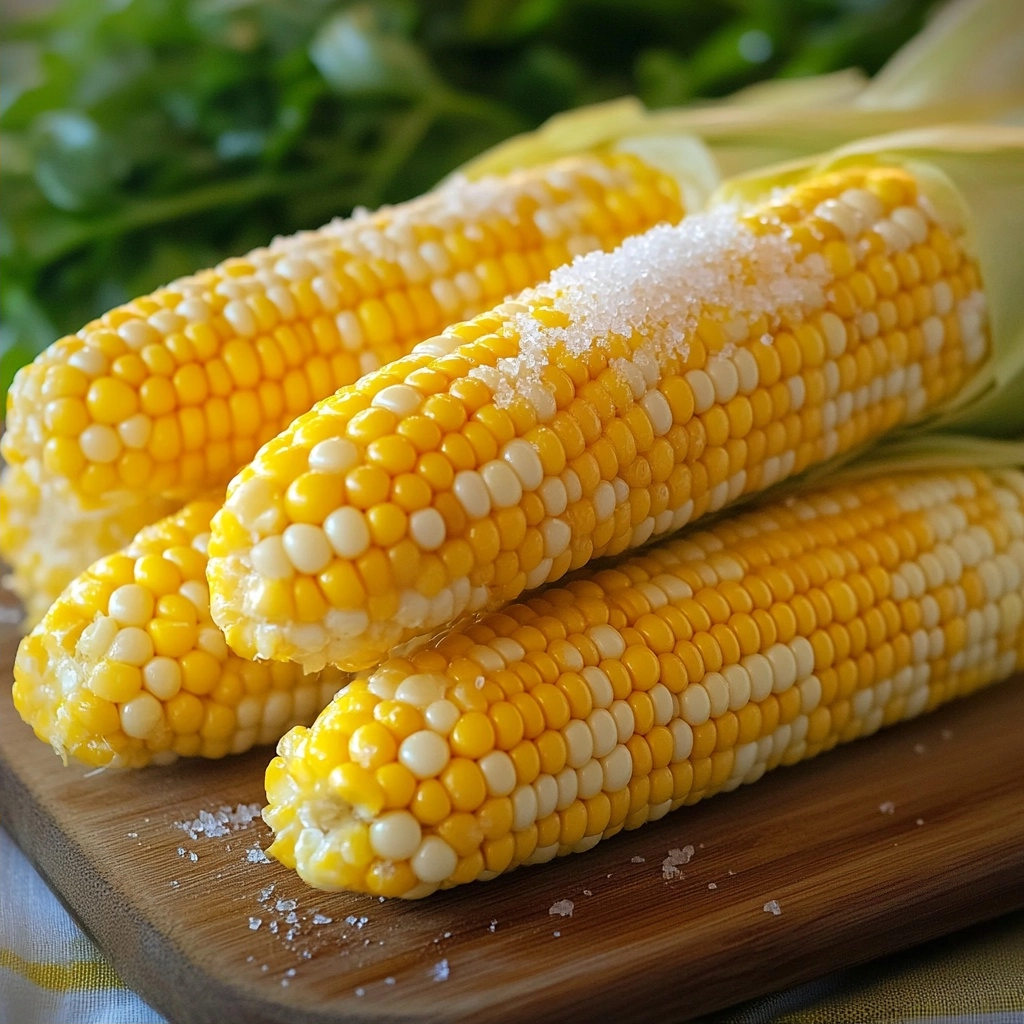
Simple Corn on the Cob Recipe for Refreshing Summer Meals
Ingredients
Method
- Bring 4 quarts of water to a rolling boil in a large pot.
- Add sugar, salt, and lemon juice, stirring until dissolved.
- Reduce water level if necessary to ensure all ears are fully submerged.
- Carefully add the ears of corn to the pot.
- Immediately turn off the heat and cover the pot.
- Let the corn sit undisturbed until water is warm, 5 to 10 minutes, depending on freshness.
- Remove the corn and serve warm or at room temperature.
Nutrition
Notes
Letting the water return to a near boil before submerging ensures even cooking.
Optional garnish with chopped fresh herbs like thyme or parsley for added brightness.
Corn can be refrigerated for up to 2 days; reheat in a steamer for best results.