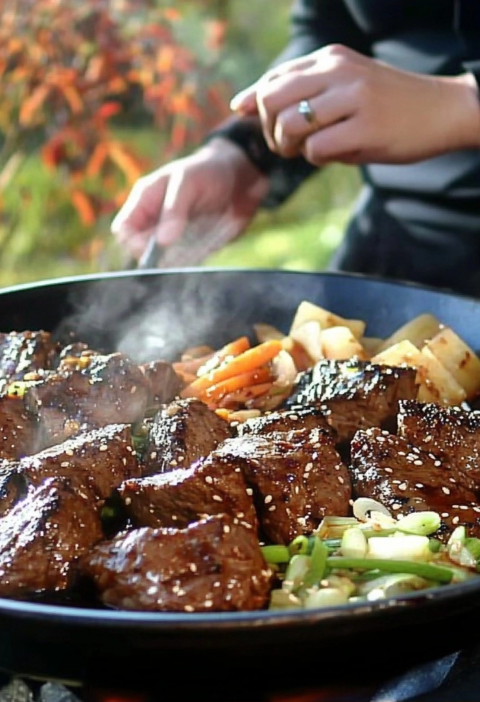
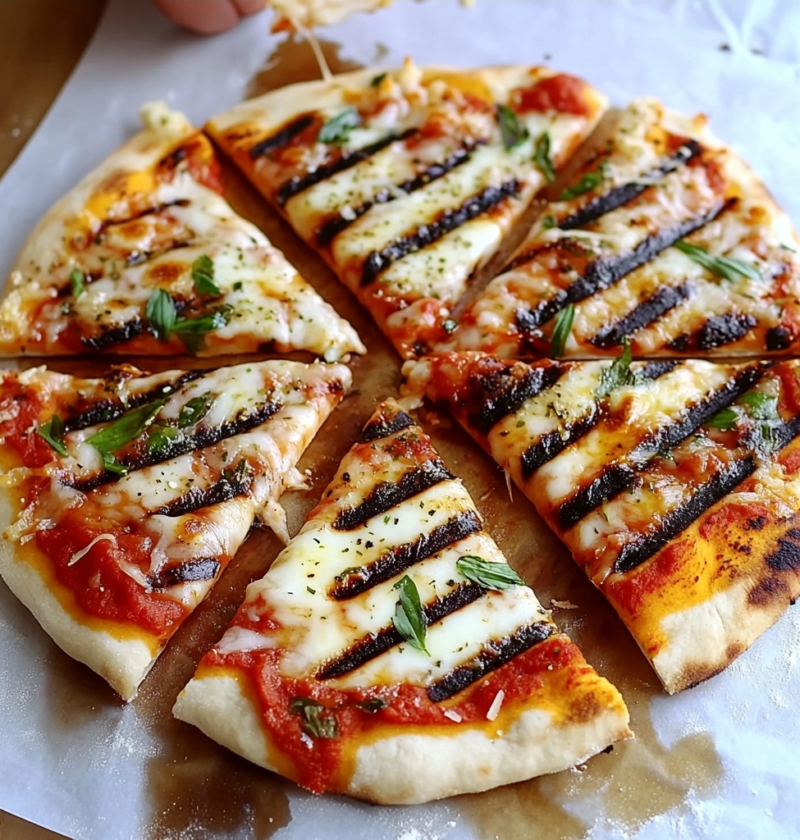
Grilled pizza is a smoky, rustic twist on homemade flatbread that brings the pizzeria experience right to your backyard. This method creates a perfectly charred crust with a tender interior, all while infusing the toppings with a subtle barbecue flavor. It is a fast way to elevate weeknight dinner from standard to spectacular.
| Detail | Information |
|---|---|
| Prep Time | 20 minutes |
| Cook Time | 8 minutes |
| Total Time | 30 minutes |
| Servings | 4 servings |
| Difficulty | Medium |
| Cuisine | Italian-American |
| Category | Dinner Ideas |
| Method | Grilling |
Why This Recipe Works
This grilled pizza recipe works because it utilizes a two-zone fire technique that mimics a professional deck oven. The high-heat direct zone creates the perfect blistered crust, while the indirect cooler zone allows you to finish melting the cheese without burning the toppings. Using dough that has been rested for at least one day is crucial, as it develops the gluten structure needed to hold the weight of the toppings without tearing during the flipping process.
The flavor profile achieved through grilling is distinct from oven baking. The smoke from the charcoal or gas burners interacts with the natural sugars in the crust and the olive oil, adding a depth of flavor that you cannot achieve in a kitchen oven. By rolling the dough thinly and brushing it generously with olive oil, you ensure that the crust remains pliable enough to handle but crispy enough to provide satisfying crunch.
Timing is the final key to success. By preparing all your toppings next to the grill beforehand, you eliminate downtime. The cheese and sauce go on at the very end, ensuring they are hot and bubbly without overcooking. This approach balances the need for a charred exterior with the desire for a tender, fluffy interior, making it a reliable crowd-pleaser for any gathering.
Chef Tips for Perfect Results
Mastering grilled pizza relies on technique and preparation rather than just throwing ingredients together. The following tips will help you achieve that perfect pie every time.
- Build your fire correctly: Arrange your coals to create a hot side for cooking the crust and a cooler side for melting cheese. If using a gas grill, leave one burner off and the other on high.
- Prep your workspace: Have all your ingredients, including grated cheese and sliced toppings, measured and ready to go before you roll out the dough to ensure a smooth workflow.
- Oil the crust generously: Brush the top of the dough with olive oil and season it with salt and pepper before placing it on the grill to prevent sticking and encourage browning.
- Lift, don’t drag: When the crust is set and bubbles form, lift it with a spatula to check the bottom. If it is golden, flip it gently rather than dragging it across the grate.
- Top sparingly: Moisture is the enemy of the grilled crust. Apply toppings in thin layers, and use a robust tomato sauce that has been cooked down to reduce excess water.
- Watch the cheese closely: The cooler side of the grill is specifically for melting. Add the cheese and cover the grill for a minute, but monitor it closely to prevent oil separation.
- Use parchment paper transfer: For an easier transition from grill to table, roll the dough on parchment paper and slide the whole sheet onto the grill, then carefully remove the paper afterward.
Common Mistakes to Avoid
Even experienced cooks can run into issues when grilling pizza if they are not mindful of heat management and dough handling. Avoiding these pitfalls will save your meal.
| Mistake | Why It Happens | How to Fix It |
|---|---|---|
| Soggy crust or watery base | Using fresh dough that has not rested or applying toppings that contain too much moisture directly to the dough. | Allow dough to rest for at least 24 hours or use high-hydration dough. Pat toppings dry with a paper towel before adding them. |
| Crust burning on the bottom | Grilling dough directly over intense heat without rotating it or checking it frequently. | Start cooking the dough over medium heat. Rotate it every 30 to 45 seconds to distribute heat evenly. |
| Toppings burning before the crust is done | Adding sauces and cheeses too early in the cooking process, exposing them to the direct heat source. | Keep all toppings in a bowl next to the grill. Add sauce and cheese only after you have flipped the crust onto the cooler side. |
| Dough tearing or sticking | Pressing the dough too hard with the rolling pin or having a dirty grill grates. | Roll the dough gently into a 12-inch circle without sealing the edges. Clean the grill grates thoroughly or use a light coating of oil before starting. |
| Uneven cooking | Not creating a true two-zone fire, leading to hot and cold spots. | Maintain a steady temperature on both burners. If you use charcoal, push the coals to one side or distribute them evenly depending on your dough thickness. |
| Undercooked center | Rushing the cooking time or using dough that is too thick. | Thin out the dough slightly to ensure the heat penetrates through. Cook until the charred edges lift easily from the grill. |
| Salty sauce ruining the balance | Adding sauce directly from the jar without measuring or tasting first. | Measure your sauce. Since the pizza is small, you only need about 3 to 4 tablespoons of sauce for the entire pie. |
Variations and Substitutions
Customizing your grilled pizza allows you to use whatever ingredients you have on hand or experiment with different flavor profiles. Below are some great ways to alter the standard recipe.
| Ingredient or Element | Substitution or Variation | Impact on Flavor or Texture |
|---|---|---|
| Tomato sauce | Pesto, Red onion jam, or Roasted tomato coulis | Pesto adds an herbaceous, nutty richness; jam provides a sweet and tangy contrast. |
| Mozzarella cheese | Goat cheese, Ricotta, or Caramelized onions | Goat cheese creates a creamy, tangy flavor profile; ricotta makes the pizza lighter and airier. |
| Olive oil | Truffle oil or melted butter | Truffle oil adds an earthy aroma; butter enhances the savory depth of the crust. |
| Hard cheese (Parmesan) | Pecorino Romano or Nutritional yeast | Pecorino has a sharper, saltier kick; nutritional yeast provides a cheesy, nutty flavor for vegan options. |
| Toppings | Grilled vegetables (peppers, eggplant), Fruits (peaches, figs), or Herbs (arugula) | Vegetables add texture and moisture; fruits introduce a surprising sweetness that balances the salt. |
| Dough | Whole wheat or Multigrain flour | Whole wheat adds a nutty taste and fiber; multigrain provides a hearty texture. |
| Spice level | Fresh chili flakes, Cayenne pepper, or Black pepper | Chili flakes heat up the profile without overpowering the cheese; fresh pepper adds a floral note. |
| Sauce base | Pureed pumpkin or Butternut squash | Squash adds a rich, autumnal sweetness and a vibrant orange color. |
Serving Suggestions and Pairings
Grilled pizza is a versatile dish that pairs beautifully with light sides and refreshing beverages. Here are several serving ideas to complete your meal.
- Arugula and lemon salad with shaved Parmesan to cut through the richness of the cheese.
- Garlic breadsticks or rustic Italian bread to mop up any extra sauce.
- A simple green salad with vinaigrette to add freshness and crunch.
- Sparkling water with lemon or a cold glass of iced tea to cleanse the palate.
- Prosciutto-style variation (using smoked paprika and slices of deli ham if desired) served alongside roasted red peppers.
- Fresh basil pesto drizzled over the pizza right before serving for a burst of color and flavor.
- A side of honey-glazed carrots or roasted Brussels sprouts for a vegetable-forward meal.
- Pair with a crisp white wine like Pinot Grigio or a light red like Sangiovese.
For a complete dinner experience, serve the grilled pizza alongside a tossed Caesar salad with homemade croutons and shaved Parmesan. The crisp, acidic greens will provide a nice textural contrast to the soft, cheesy pizza crust, while the croutons offer a satisfying crunch that complements the char of the grilled edges.
Make Ahead Options
You can prepare several components of this grilled pizza recipe in advance to save time on the day of the cookout. The dough is the most flexible item to prepare ahead, as it only gets better with time.
Allow the pizza dough to rise and chill in the refrigerator for at least 24 hours. On the day of the event, you can portion it into individual balls in the morning and store them in the fridge, ready to pull out and roll out just before grilling. The sauce can also be made up to two days in advance and stored in an airtight container. This allows the flavors to meld together and ensures you are not scrambling to chop vegetables while the fire is heating up.
Grilled pizza is also excellent for meal prep. Once cooked, individual slices can be wrapped tightly in foil and placed in the freezer for up to two months. To reheat, simply place the slice on a preheated skillet over medium heat for a few minutes until the cheese melts and the crust crisps up again. This method works perfectly for quick lunches or dinner parties where you want to prepare everything in advance and simply grill fresh pies to order.
Storage and Reheating
Proper storage is essential to maintaining the quality of your leftover grilled pizza. Since the crust is delicate, standard storage methods can sometimes make it soggy, so careful handling is required.
| Method | Duration | Instructions |
|---|---|---|
| Room Temperature | 2 hours | Do not leave out for longer than two hours to prevent bacterial growth. For best quality, consume immediately after cooking. |
| Refrigerator | 3 to 4 days | Store slices in an airtight container or wrap them tightly in plastic wrap. The crust may soften, so reheat specifically to restore texture. |
| Freezer | 2 to 3 months | Wrap individual slices individually in plastic wrap and then place them in a freezer bag. Label with the date to ensure freshness. |
| Reheating | 5 to 7 minutes | Reheat on a preheated skillet over medium heat for 2-3 minutes per side, or until the cheese is melted and the bottom is crisp. |
| Make Ahead | Up to 1 day | Prepare the dough and sauce a day prior. Keep toppings fresh and assemble just before grilling to prevent sogginess. |
Nutritional Information
Approximate values are based on one serving and may vary depending on exact ingredients and portion size.
| Nutrient | Amount per Serving |
|---|---|
| Calories | 450 calories |
| Protein | 18 grams |
| Fat | 20 grams |
| Saturated Fat | 10 grams |
| Carbohydrates | 48 grams |
| Fiber | 3 grams |
| Sugar | 4 grams |
| Sodium | 650 milligrams |
Frequently Asked Questions
Can I use store-bought pizza dough for this recipe?
Yes, you can use store-bought dough, though the texture may differ slightly from homemade dough that has rested for 24 hours. If using fresh store-bought dough, let it rest on the counter for about 30 minutes before rolling to relax the gluten, which will help prevent it from shrinking on the grill.
How do I know when the pizza is done cooking?
The pizza is done when the bottom crust is deeply charred and has a bubbly, blistered appearance. Lift the edge with a spatula; if it feels firm and golden brown on the bottom, it is ready to be flipped and topped.
Can I grill pizza on a gas grill?
Absolutely. Gas grills are excellent for this method. Set one burner to high to act as your direct heat zone and leave the other burner(s) off to create an indirect cooking zone. Keep the grill lid closed to maintain an even temperature.
What toppings work best on grilled pizza?
Firm vegetables like bell peppers, onions, and mushrooms hold up well, while soft toppings like basil and arugula should be added after cooking to prevent them from wilting. Keep toppings thin to ensure the crust cooks through properly.
Can I make gluten-free grilled pizza?
You can use a store-bought gluten-free dough blend. Keep in mind that gluten-free dough is often more delicate, so handle it gently and consider using a rimmed baking sheet as a helper to slide it onto the grill more easily.
How do I keep the toppings from burning?
Apply all sauce, cheese, and toppings only after you have flipped the dough onto the cooler side of the grill. This protects the delicate toppings from the intense direct heat while allowing them to warm through and melt.
Conclusion
Grilled pizza is a game-changer for home cooks looking to impress guests or add excitement to a simple weeknight meal. The unique combination of a smoky crust and bubbling cheese creates a flavor that is hard to replicate in a standard oven. By mastering the two-zone fire and using high-quality ingredients, you can turn a few simple components into a restaurant-quality dish. We hope you try this recipe and enjoy the fun, interactive experience of cooking on the grill.