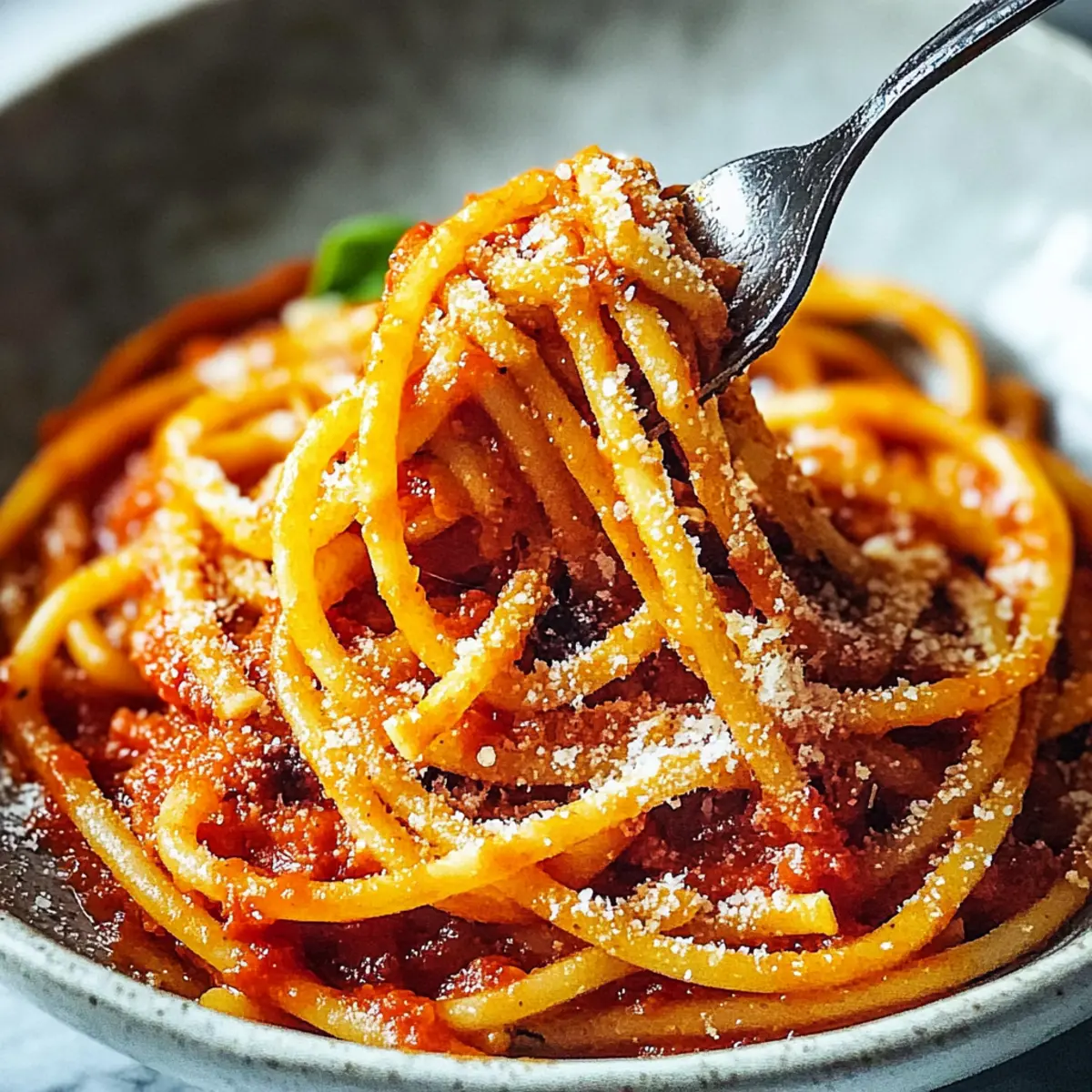
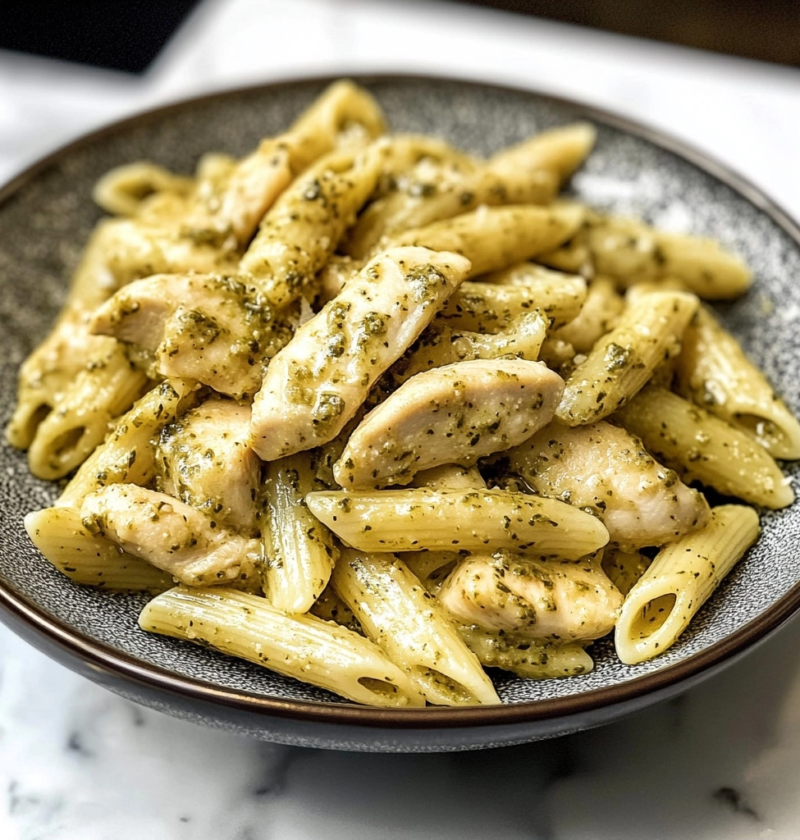
Chicken Pesto Pasta is a creamy and flavorful dish that combines fresh basil pesto, tender chicken, and perfectly cooked pasta in a rich sauce. This meal appeals to home cooks looking for a fast way to get delicious food on the table without complex techniques. The rich savory taste and comforting texture make it a favorite weeknight solution for busy families.
| Detail | Information |
|---|---|
| Prep Time | 10 minutes |
| Cook Time | 15 minutes |
| Total Time | 25 minutes |
| Servings | 4 servings |
| Difficulty | Easy |
| Cuisine | Italian Inspired |
| Category | Main Course |
| Method | Stovetop Sauté and Simmer |
Why This Recipe Works
This Chicken Pesto Pasta recipe works because it relies on simple steps that yield a restaurant quality result in minimal time. The combination of basil pesto with heavy cream creates a smooth, luxurious sauce that coats every piece of pasta evenly. Fresh chicken adds a protein boost that makes the meal filling enough for a main dinner.
The flavor profile stays consistent because the heavy cream balances the sharpness of the garlic and basil found in the pesto sauce. Cooking the pasta al dente ensures it holds up well against the creamy mixture without becoming mushy. This method keeps the dish from getting watery while maintaining a rich mouthfeel.
Timing is another major factor because the chicken cooks quickly while the sauce simmers in the same skillet. This saves on dish load and concentrates the flavors into one pan. Home cooks appreciate that the ingredients list is short while the final taste feels elaborate and sophisticated.
You can easily adjust the seasonings to match your specific household preferences for saltiness or spice. The base recipe is flexible enough to add vegetables or extra cheese without disrupting the cooking process. This recipe works because it balances flavor, texture, and convenience perfectly.
Chef Tips for Perfect Results
Mastering this pasta dish requires attention to heat levels and timing during the cooking phases.
- Use steady heat: Cook the chicken over medium-high heat so the outside browns evenly without drying out the center.
- Reserve pasta water: Keep a cup of starchy water from boiling the pasta to thin the sauce if needed later.
- Don’t overcook the chicken: Cut the chicken into uniform strips so they finish at the same time without becoming rubbery.
- Simmer gently: Reduce the heat when adding the cream to prevent the sauce from separating or curdling.
- Season properly: Taste the sauce before serving because the pesto and salted pasta water already contribute saltiness.
- Add cheese off heat: Stir in the Parmesan cheese after removing the pan to avoid it becoming clumpy in the hot liquid.
- Toast the pasta briefly: Adding the pasta to the sauce instead of the other way helps it absorb the flavors better.
- Check doneness: The chicken should no longer be pink on the outside but still juicy inside when done.
Common Mistakes to Avoid
Most cooking issues with this dish arise from rushing steps or using incorrect temperatures.
| Mistake | Why It Happens | How to Fix It |
|---|---|---|
| Sauce becomes oily | The cream was boiled too hard and broke. | Lower the heat immediately and stir in a splash of pasta water. |
| Chicken ends up dry | Overcooking caused moisture loss during heating. | Remove the chicken from heat as soon as it loses its pink color. |
| Pasta tastes bland | Not enough salt was added to the boiling water. | Use a generous amount of salt when boiling the water initially. |
| Too much sauce | The ratio of cream was too high for the pasta. | Reduce the cooking time for sauce or add dry pasta later. |
| Clumpy cheese texture | Cheese was added while the sauce was boiling. | Turn off the heat and let it sit for a minute before stirring. |
Variations and Substitutions
Creating this dish is a great opportunity to customize flavors based on available kitchen staples.
| Ingredient or Element | Substitution or Variation | Impact on Flavor or Texture |
|---|---|---|
| Pasta Shape | Use fusilli or farfalle instead of penne. | Shapes with curves hold more sauce for a richer bite. |
| Pesto Type | Swap basil for spinach or sun-dried tomato. | Changes the herbal notes to something milder or bolder. |
| Cream | Try half-and-half or coconut cream. | Results in a slightly thinner or dairy-free creamy consistency. |
| Chicken | Use ground turkey or shrimp. | Cooking time varies and changes the texture of the dish. |
| Vegetables | Add sautéed spinach or cherry tomatoes. | Increases the nutritional value and adds pop of color. |
| Hot Pepper | Stir in a pinch of crushed red peppers. | Adds a subtle kick without overwhelming the basil flavor. |
| Dairy-Free | Use almond milk with a roux thickener. | Alters the richness but keeps the sauce creamy overall. |
Serving Suggestions and Pairings
Serving this dish with the right sides and drinks completes the meal experience for your family.
- A warm garlic bread slice helps soak up extra sauce.
- A fresh green salad with balsamic dressing balances the creaminess.
- Rosemary roasted potatoes offer a hearty carb alternative.
- White wine vinegar drizzle over the salad cuts through the fat.
- Grilled asparagus provides a healthy green side option.
- Sliced baguette works as a bread option for dipping.
- Sparkling water with lemon keeps the palate fresh.
- Steamed broccoli adds fiber without competing for flavor.
- Iced tea or lemonade works well as a cold beverage choice.
- Roasted zucchini rounds up the vegetable intake nicely.
- Fresh fruit salad makes a light ending to the meal.
- Caesar salad adds crunch that contrasts with the soft pasta.
Consider pairing this Chicken Pesto Pasta with a light garden salad and crusty Italian bread for a complete and satisfying dinner. This combination ensures that everyone has enough food and that the textures contrast pleasantly on the plate. The meal feels special without requiring complicated cooking skills.
Make Ahead Options
You can prepare specific components ahead of time to reduce stress on busy weeknights. The pesto sauce and chicken base can be prepared up to 24 hours in advance and stored in the refrigerator.
When ready to eat, simply reheat the chicken mixture in a skillet before adding fresh pasta. Cooking fresh pasta ensures the best texture because refrigerated pasta can become gummy. The sauce will thicken in the fridge so you will need to add a splash of water to loosen it.
Pre-cooking the chicken and storing it in an airtight container saves about ten minutes of active cooking time. You can assemble and bake the dish if you prefer a casserole style by adding cheese on top. Just remember that pasta will dry out if stored in the sauce too long so keep the sauce separate until serving.
Storage and Reheating
Proper storage is essential to maintain quality and ensure food safety for leftovers.
| Method | Duration | Instructions |
|---|---|---|
| Room Temperature | 2 hours | Do not leave the dish out longer than one hour in summer heat. |
| Refrigerator | 3 days | Store in a sealed container with a little oil on top. |
| Freezer | 2 months | Wrap tightly in foil and place in a freezer safe container. |
| Reheating | 5 minutes | Warm over low heat on the stove with extra pasta water. |
| Make Ahead | 24 hours | Keep sauce and pasta separate until ready to eat. |
Nutritional Information
Approximate values are based on one serving and may vary depending on exact ingredients and portion size.
| Nutrient | Amount per Serving |
|---|---|
| Calories | 650 |
| Protein | 35 grams |
| Fat | 42 grams |
| Saturated Fat | 18 grams |
| Carbohydrates | 35 grams |
| Fiber | 2 grams |
| Sugar | 1 gram |
| Sodium | 400 milligrams |
Frequently Asked Questions
How can I substitute the heavy cream?
You can substitute heavy cream with half-and-half for a lighter texture that still works well. If you prefer a dairy-free option, coconut cream is a viable alternative that adds richness. The sauce will be slightly thinner but still coats the pasta effectively for a delicious meal.
What is the best way to know when the chicken is done?
The chicken is done when no pink color remains on the inside and the juices run clear. You can use a meat thermometer to verify that the internal temperature has reached 165 degrees Fahrenheit. Checking the thinnest piece helps avoid undercooking any part of the meat strips.
Why did my sauce become oily or separate?
The sauce likely separated because the cream was boiled at too high of a temperature for too long. Simmering the cream gently over medium-low heat keeps the emulsion stable without breaking. Adding the pesto slowly and stirring constantly also prevents separation during cooking.
Can I prepare this Chicken Pesto Pasta ahead of time?
Yes, you can prepare the chicken and pesto base a day in advance to save time later on. Store the cooked ingredients in the refrigerator and cook fresh pasta just before serving to maintain quality. Mixing them together again while reheating restores the creamy texture needed for a good dish.
What bread pairs best with this pasta dish?
Garlic bread is the classic pairing that complements the savory flavors of the basil and cheese. A fresh French baguette or rustic ciabatta also absorbs the sauce nicely. Toasting the bread ensures a crispy texture that contrasts with the soft noodles in the sauce.
How should I store leftovers to maintain freshness?
Place leftovers in an airtight container and refrigerate them within two hours of cooking to ensure safety. The pasta will absorb the sauce over time so add a little water when reheating to refresh the texture. Avoid freezing pasta dishes that have high cream content for too long to prevent separation.
Conclusion
Chicken Pesto Pasta is a reliable choice for a fast family dinner that does not compromise on taste. It delivers the perfect balance of creamy texture and rich herb flavors that everyone enjoys. This Chicken Pesto Pasta recipe is simple enough for beginners yet flavorful enough for experienced cooks. Try it tonight to experience the comfort of a homemade meal in a fraction of the time.