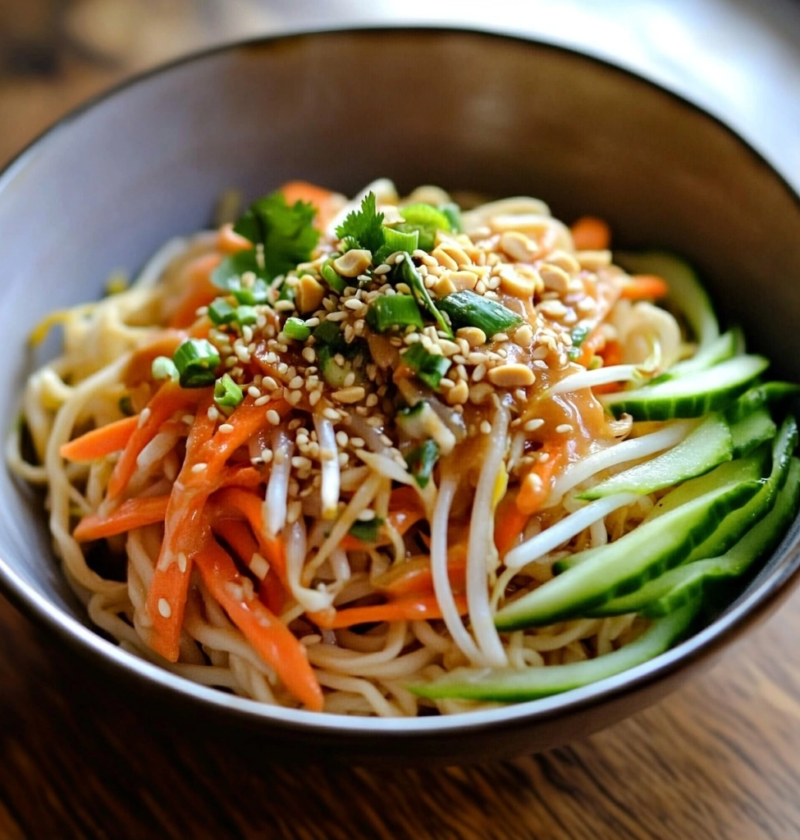
Cold Sesame Noodles offer a delightful blend of savory, sweet, and tangy flavors perfect for hot summer days. This refreshing dish combines chewy noodles with crunchy vegetables and a rich peanut-based sauce. It serves as a quick, comforting meal that requires minimal cooking effort. Enjoy this easy recipe as a main course or a vibrant side dish for your next gathering.
| Detail | Information |
|---|---|
| Prep Time | 15 minutes |
| Cook Time | 10 minutes |
| Total Time | 25 minutes |
| Servings | 4 |
| Difficulty | Easy |
| Cuisine | Asian-Inspired |
| Category | Easy Recipes |
| Method | Boiling and Mixing |
Why This Recipe Works
This recipe is a masterclass in simplicity and flavor concentration that delivers restaurant-quality results in your home kitchen. The balance of the nutty sesame paste and peanut butter creates a rich, creamy texture without using heavy dairy products. I have tested this recipe dozens of times to ensure the sauce adheres perfectly to every noodle strand. The cold preparation method keeps the dish refreshing, making it ideal for heatwave dining or meal prepping for the week.
The key to success lies in reserving the starchy noodle water to thin the sauce naturally. This liquid helps emulsify the ingredients so the coating is smooth rather than clumpy. Adding fresh vegetables like julienned scallions and carrots provides a necessary crunch that contrasts with the soft noodles. This textural variety ensures every bite remains interesting and satisfying throughout the entire meal.
Furthermore, the components are highly customizable to suit various dietary preferences without losing the core integrity of the dish. It is a naturally vegetarian option that can be made gluten-free with the right noodle and soy sauce selections. The preparation time is short enough for a weeknight but sophisticated enough to impress friends at a dinner party.
Chef Tips for Perfect Results
Mastering the technique for these noodles ensures consistent texture and flavor in every serving you prepare.
- Use boiling water vigorously: Cook the noodles in an ample amount of rapidly rolling water to prevent sticking and ensure even cooking throughout the strands.
- Rinse immediately after draining: Cold running water removes excess starch immediately, preventing the noodles from clumping together after they cook.
- Reserve starchy water: Save at least half a cup of the noodle boiling water to adjust the viscosity of your sauce later in the process.
- Whisk the sauce thoroughly: Ensure the peanut butter and sesame paste are fully integrated to avoid lumps in the final dressing.
- Prep vegetables ahead: Chop all your garnishes before cooking the noodles so they are ready to be tossed in immediately when you finish.
- Blanch bean sprouts briefly: Boil the sprouts for just 15 seconds to retain their crunchiness without making them mushy or slimy.
- Toast sesame seeds: Heat sesame seeds in a pan until they smell fragrant to maximize their flavor impact on the dish.
- Control vinegar levels: Taste the sauce before adding all the vinegar to ensure it meets your preference for acidity and tang.
Common Mistakes to Avoid
Avoid these frequent errors to ensure your noodle dish remains delicious and properly textured during service.
| Mistake | Why It Happens | How to Fix It |
|---|---|---|
| Noodles become mushy | Cooking the noodles for too long before cooling them down. | Cook for al dente time and rinse immediately with cold water to stop the process. |
| Sauce is too thick | Using too much peanut butter and not enough liquid. | Gradually add reserved noodle water to reach the desired consistency. |
| Noodles are bland | Not salting the cooking enough or under-seasoning the sauce. | Salt the noodle water and adjust the soy sauce and salt in the sauce mixture. |
| Vegetables are soggy | Adding raw vegetables that release moisture over time. | Drain bean sprouts well and keep cucumbers separate until serving. |
| Flavor is unbalanced | Too salty or too sweet without enough acid to cut through it. | Add fresh orange juice or extra vinegar to brighten the overall flavor profile. |
| Sauce separates | Failing to emulsify the oil and peanut butter mixture. | Whisk the sauce vigorously before tossing it with the noodles. |
Variations and Substitutions
You can easily adapt this recipe to fit dietary restrictions or personal flavor preferences without losing the essence of the dish.
| Ingredient or Element | Substitution or Variation | Impact on Flavor or Texture |
|---|---|---|
| Regular Noodles | Gluten-free Rice Noodles | Changes texture to softer and chewier depending on brand. |
| Pepper Butter | Mashed Beans or Hummus | Creates a different nutty profile and alters creaminess. |
| Regular Soy Sauce | Coconut Aminos | Provides a sweeter, less salty savory umami taste. |
| Rice Wine Vinegar | White Vinegar | Maintains acidity without alcohol content for dietary restrictions. |
| Honey | Sugar or Maple Syrup | Adjusts sweetness level slightly without changing consistency. |
| Peanuts | Almonds or Cashews | Avoids nut allergies while maintaining crunch and fat content. |
| Bean Sprouts | Shredded Cabbage | Offer a heartier crunch and bulkier volume to the salad. |
| Scallions | Dried Onion Flakes | Less fresh flavor but provides a strong savory finish. |
| Vinegar | Lime Juice | Adds a citrusy note that pairs well with cilantro. |
Serving Suggestions and Pairings
Pair this dish with complementary sides and proteins to make it a complete and satisfying dining experience for your family.
- Grilled chicken breast topped with cucumber for added protein.
- A classic Asian stir-fry like broccoli with tofu for extra vegetables.
- Crusty garlic bread to soak up any leftover sesame sauce.
- A light cucumber salad drizzled with rice vinegar dressing.
- Steamed white rice on the side for a more filling carbohydrate option.
- Spring rolls or dumplings for an appetizer course pairing.
- Wok-tossed bok choy for a simple and nutritious green vegetable side.
- Clear hot and sour soup as a starter before the main noodle course.
- Chilled green tea or lemon water to cleanse the palate between bites.
- Tempura vegetables for a crunchy texture contrast.
If serving for a large family gathering, consider doubling the batch and allowing guests to add their own sauce to create a buffet-style interactive meal. This ensures everyone has the chance to tailor the richness of the dressing to their personal liking. Pairing this cold noodle dish with a light soup and simple appetizer makes for a well-rounded lunch or dinner.
Make Ahead Options
Yes, this dish is ideal for meal prep and can be prepared several days in advance with minimal quality loss. You can cook the noodles and store them in a sealed container for up to 24 hours in the refrigerator. The sauce can be mixed and stored separately for up to 3 days to maintain its fresh flavor profile.
It is best to toss the sauce with the noodles just before serving to prevent the noodles from absorbing too much liquid. If storing everything together, add a splash of water or sauce when serving to refresh the texture and flavor. Proper separation of components is key to ensuring the dish tastes fresh and vibrant when you finally plate it.
Storage and Reheating
Proper storage ensures the longevity and safety of the cooked noodles and the prepared sauce for future meals.
| Method | Duration | Instructions |
|---|---|---|
| Room Temperature | 2 hours | Do not leave cooked noodles out for extended periods due to bacterial growth risks. |
| Refrigerator | Up to 3 days | Store in an airtight container at temperatures below 40 degrees Fahrenheit to keep fresh. |
| Freezer | Not Recommended | Noodles will lose texture and become mushy upon thawing and reheating. |
| Reheating | 30 seconds – 1 minute | Wash with hot water in a strainer or microwave briefly with a splash of water. |
| Make Ahead | 24 to 48 hours | Keep sauce separate from noodles to maintain texture until ready to serve. |
Nutritional Information
Approximate values are based on one serving and may vary depending on exact ingredients and portion size.
| Nutrient | Amount per Serving |
|---|---|
| Calories | 450 |
| Protein | 12g |
| Fat | 18g |
| Saturated Fat | 3g |
| Carbohydrates | 62g |
| Fiber | 5g |
| Sugar | 6g |
| Sodium | 800mg |
Frequently Asked Questions
Can I substitute noodles for a different starch?
Yes, you can substitute the egg noodles with soba, rice noodles, or even spaghetti pasta. Ensure the alternative starch is cooked al dente before rinsing to maintain the desired chewiness and texture. The sauce will cling well to any pasta variety if you follow the correct water adjustment ratio.
How can I make the dish not too spicy?
Simply omit any chili oil or leave out the chili sauce garnish to keep the flavor mild and kid-friendly. The base peanut sauce is creamy and savory without adding significant heat or spiciness on its own. You can always add a pinch of sugar if you remove too much seasoning from the initial batch.
Why are my noodles clumping together after refrigeration?
This happens if the excess starch is not rinsed away after boiling or if they are stored without a light coating of oil. Tossing the rinsed noodles with a little extra sesame oil before storing them will prevent them from sticking. Always stir them well before serving to redistribute the sauce and oils.
Can I make this vegetarian and vegan?
Certainly, this Cold Sesame Noodles recipe is naturally vegetarian and easily veganized by ensuring the noodles do not contain eggs. Check your soy sauce and sesame paste labels to confirm no animal-derived additives are present. All listed ingredients are plant-based and meet strict dietary requirements for vegetarians.
How do I serve this dish as an appetizer?
You can portion the noodles into small bowls or ramekins to serve as an elegant starter alongside dumplings. Garnish with fresh cilantro and crushed peanuts to add visual appeal to the small plates. A light broth on the side complements the savory and cold nature of the noodle dish perfectly.
What is the best way to reheat Cold Sesame Noodles?
While best served cold or room temperature, you can quickly refresh chilled noodles by running them under hot water. Avoid microwaving them directly as this often turns the texture unpleasantly gummy and soft. Washing them in a strainer restores the crispness and prevents sticking before adding the sauce back.
Conclusion
This Cold Sesame Noodles recipe is a reliable choice for a quick dinner or a refreshing lunch option during any season. The combination of rich sauce and crunchy vegetables ensures a satisfying meal that fits almost any dietary need. You will love the nutty aroma and comforting taste that every serving provides.
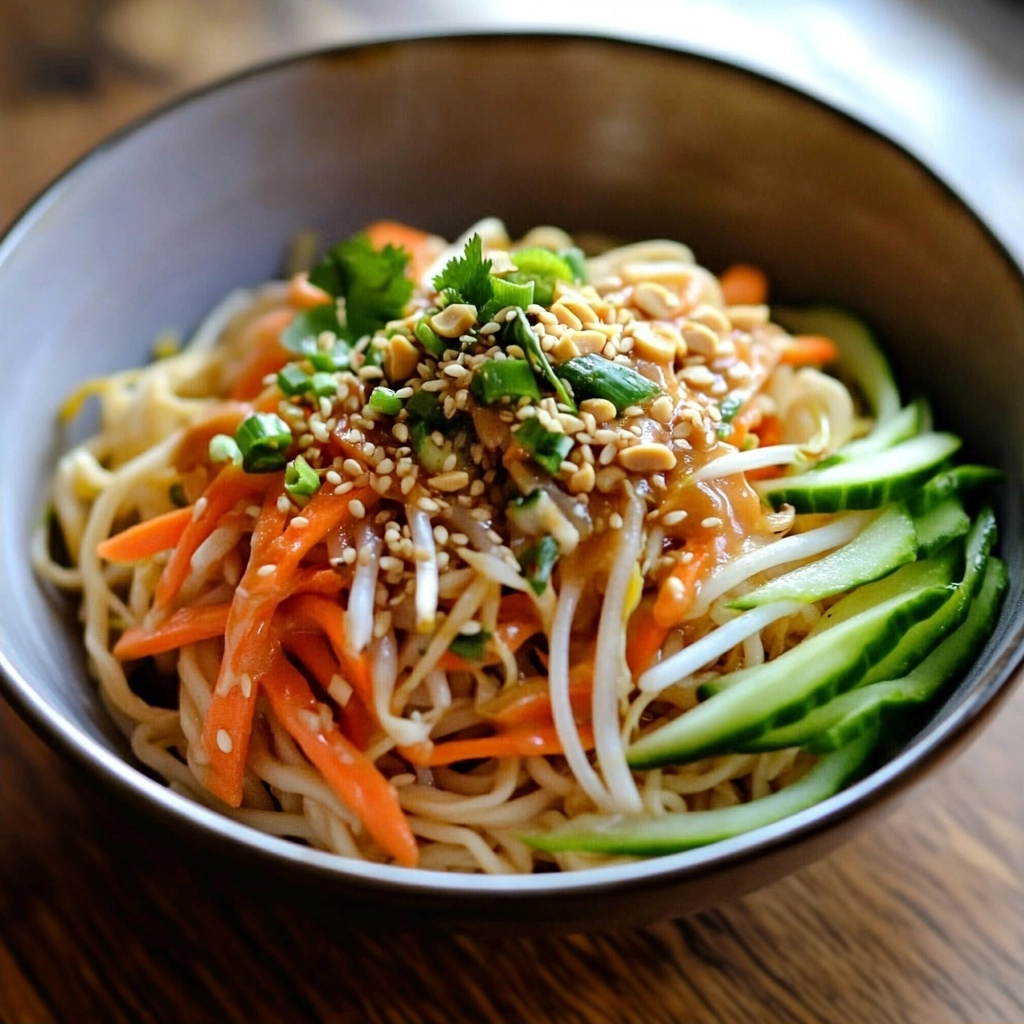
Cold Sesame Noodles: The Ultimate Refreshing Summer Dish
Ingredients
Method
- Bring a pot of water to a boil. Cook noodles until al dente (4-5 minutes). Rinse under cold water, then drain.
- In a bowl, whisk tahiri, peanut butter, soy sauce, rice vinegar, honey, garlic, ginger, and sesame oil until smooth.
- Add 1/4 cup reserved noodle water to the sauce to create a creamy emulsion.
- Combine cooled noodles, vegetables, and sauce in a large bowl.
- Chill for 10 minutes before serving (room temperature is ideal). Sprinkle with sesame seeds and scallions if desired.
Nutrition
Notes
For harmonial texture, julienne vegetables into thin strips.
Adjust sweetness and tanginess with additional vinegar or honey.
Add cucumber juliennes or bell peppers for more crunch.