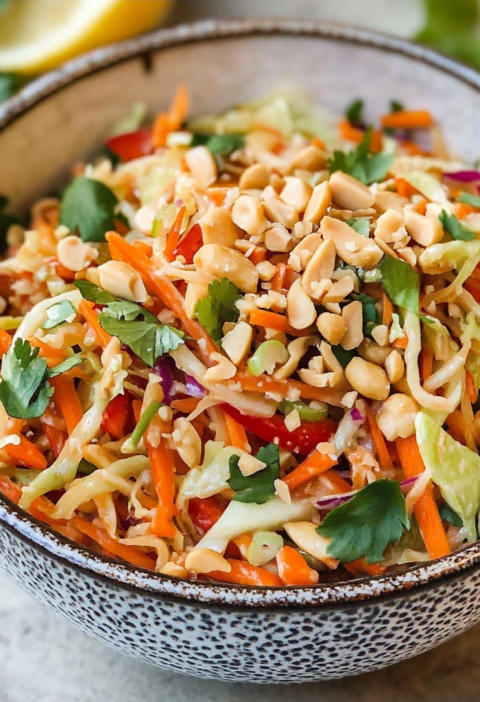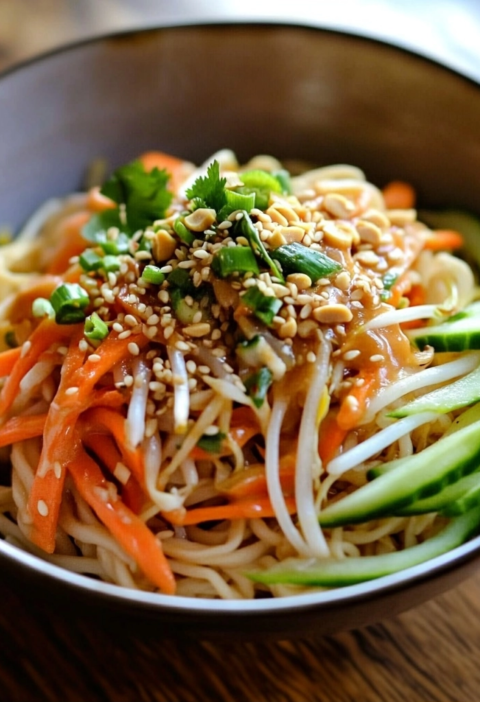
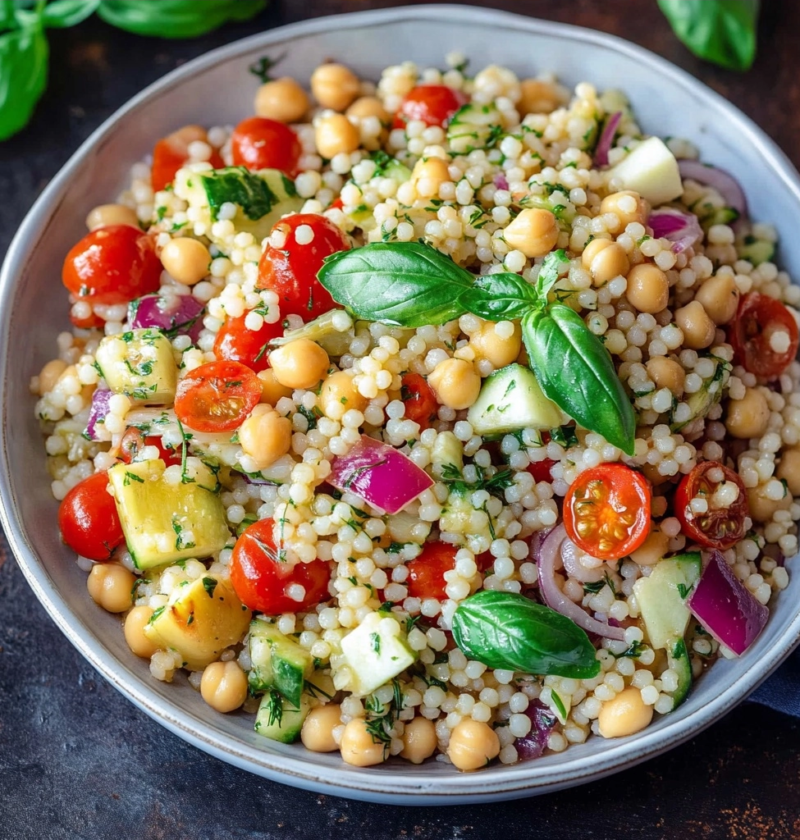
Mediterranean Couscous Salad is a refreshing and vibrant dish perfect for warm weather gatherings and quick weekday lunches. This recipe combines fluffy grains with crisp vegetables, tangy cheese, and a zesty lemon-dill vinaigrette for a complete meal in minutes. You will love how easy it is to assemble while enjoying bold flavors and satisfying textures without any heavy cooking required.
| Detail | Information |
|---|---|
| Prep Time | 20 minutes |
| Cook Time | 10 minutes |
| Total Time | 30 minutes |
| Servings | 6 servings |
| Difficulty | Easy |
| Cuisine | Mediterranean |
| Category | Salad |
| Method | Stovetop and Assembly |
Why This Recipe Works
This recipe works because it delivers restaurant-quality flavor with minimal effort and ingredient prep time. The toasted pearl couscous provides a nutty depth that standard grains often lack, while the fresh vegetables add crunch that stays firm in dressing. I have tested this balance many times to ensure the grains absorb the lemon dressing without becoming mushy or bland on the palate.
The timing is another critical factor that makes this dish shine for busy families or hot summer days. You can make the dressing while the water boils, allowing you to focus entirely on the couscous cooking process without rushing. The flavors meld together beautifully as the salad rests, ensuring every bite offers a harmonious blend of tangy, savory, and fresh elements.
Fresh ingredients are the cornerstone of this salad, and using high-quality olive oil makes a noticeable difference in the final result. The acidity from the lemon juice balances the richness of the olive oil perfectly, preventing the dish from feeling heavy after a full meal. You will find this dish becomes a weekly staple once you taste how simple it is to recreate at home.
Chef Tips for Perfect Results
Toasting the couscous in olive oil before adding water creates a nutty flavor that elevates the entire dish significantly.
- Toast the grains correctly: Stir the pearl couscous constantly over medium heat until you see visible golden spots on the grains to unlock the nutty flavor profile.
- Control the boiling water: Ensure the water is at a rolling boil before adding the couscous to ensure even cooking and texture uniformity throughout the pot.
- Drain thoroughly: Shake the colander well to remove excess moisture so the final salad remains crisp and does not become soggy in the bowl.
- Slice vegetables uniformly: Cut all vegetables into similar sizes to ensure every forkful contains pieces of tomato, cucumber, and onion in proportion.
- Emulsify the dressing: Whisk the dressing vigorously until it looks slightly creamy before adding it to ensure the oil and acid are fully integrated.
- Chill the couscous: Set the cooked grains aside to cool completely before mixing to prevent the cheese from melting or wilting the fresh herbs.
- Add cheese last:Toss the mozzarella or feta at the very end to keep the distinct cheese texture visible within the colorful vegetable mixture.
- Garnish generously: Add extra fresh basil leaves right before serving to maintain their bright green color and aromatic oils for the best visual appeal.
Common Mistakes to Avoid
Most cooks encounter issues with this recipe when they rush the cooling process or fail to balance the acidity properly during preparation.
| Mistake | Why It Happens | How to Fix It |
|---|---|---|
| Soggy Couscous | Using too much water or not draining the grains properly after cooking | Measure water exactly by package instructions and shake the colander vigorously to drain excess liquid. |
| Bland Salad | Not toasting the couscous first which limits the development of complex flavors | Toasting the dry grains in olive oil before boiling creates a nutty aroma and deeper taste profile. |
| Tough Texture | Undercooking the couscous or adding it to boiling water that is not hot enough | Verify the water is a rolling boil and do not undercook according to the package timing instructions. |
| Split Dressing | Adding liquid oil to the acid without enough emulsification time beforehand | Whisk the lemon juice, oil, and garlic together until smooth before tossing with the vegetables. |
| Wilted Herbs | Adding fresh basil to hot couscous which causes the leaves to turn black overnight | Wait until the couscous has cooled to room temperature before stirring in the fresh herbs. |
| Dry Salad | Failing to add enough oil to the mixture or letting it sit uncovered in the fridge | Toss with an extra drizzle of olive oil before serving if the salad looks dry after refrigeration. |
Variations and Substitutions
Variations are simple to incorporate into this recipe to accommodate dietary preferences or ingredient availability without losing the core flavor profile.
| Ingredient or Element | Substitution or Variation | Impact on Flavor or Texture |
|---|---|---|
| Pearl Couscous | Use quinoa instead to increase protein and fiber content slightly | Quinoa has a slightly nuttier and earthier taste compared to the mild neutral grain of couscous. |
| Chickpeas | Swap for black beans for a heartier and darker bean option | Black beans provide a creamier texture and a more robust earthy flavor than chickpeas. |
| Feta Cheese | Use vegan cheese cubes to make the recipe fully plant-based friendly | Vegan cheese may be less salty, so adjust the salt levels in the dressing accordingly. |
| Kalamata Olives | Use green olives for a slightly milder and more tart flavor profile | Green olives are sharper and less briny than the classic cured Kalamata variety. |
| Fresh Basil | Use fresh parsley for a more herbal and subtle green flavor | Parsley provides a refreshing crunch but lacks the sweet anise-like notes of basil. |
| Red Onion | Rinse the onions thoroughly to reduce sharpness and bitterness slightly | Red onion adds sweetness when raw but can be harsh if not treated or if large chunks are used. |
| Artichoke Hearts | Use roasted red peppers for a smokier flavor variation and boost | Red peppers add a sweet and smoky element that pairs well with lemon and olive oil. |
| Dried Dill | Increase amount to match intensity of fresh herbs if available | Dried dill is more concentrated but lacks the fresh grassy aroma of minced fresh sprigs. |
Serving Suggestions and Pairings
This salad serves well as a standalone light lunch, a robust side dish, or a component of a larger Mediterranean platter.
- Serve with grilled chicken breast seasoned with oregano for a complete protein meal.
- Pair with crusty whole grain bread to soak up extra dressing or use for sandwiches.
- Add sliced avocado on top for a creamy layer that balances the crunchy vegetables.
- Combine with falafel balls for a meatless dinner that stays true to Mediterranean roots.
- Serve alongside shrimp skewers for a light seafood option that complements the bright flavors.
- Add hard-boiled eggs to the mix for a heartier breakfast or brunch salad option.
- Pair with Greek yogurt as a dip on the side for a cooling contrast to the warm couscous.
- Top with roasted pine nuts for an extra crunch and rich nutty flavor element.
- Serve with a side of hummus to ensure every bite has plenty of savory depth and texture.
- Add a handful of arugula for a peppery kick that cuts through the creamy cheese elements.
- Garnish with lemon wedges so guests can adjust the acidity to their personal taste preferences.
- Make it a full spread by incorporating this salad into a larger picnic or potluck menu.
For a complete meal experience, I recommend serving this alongside a bowl of warm lentil soup or a simple tomato basil soup. The contrast of hot and cold foods works exceptionally well when the evening air is cool and crisp outside.
Make Ahead Options
Yes, this Mediterranean Couscous Salad is ideal for preparing ahead of time and can be stored safely for several days. You can make the dressing and chop the vegetables up to 24 hours in advance to speed up assembly time on busy days.
The couscous holds up well in the refrigerator without losing its texture if stored in an airtight container. Just ensure you wait to mix in the fresh herbs and cheese until right before serving to maintain their bright colors and textures. This step-by-step approach keeps the salad fresh and visually appealing throughout the week.
For the best results, re-toss the salad with a little extra olive oil and lemon juice after a night in the fridge to refresh the flavors. If you need to store it for 48 hours, add a layer of plastic wrap directly on the surface of the salad to prevent drying out.
Storage and Reheating
This salad should be stored in the refrigerator in an airtight container to maintain freshness and extend its shelf life significantly.
| Method | Duration | Instructions |
|---|---|---|
| Room Temperature | 2 hours maximum | Keep covered if serving immediately and do not leave out too long due to dairy ingredients. |
| Refrigerator | 3 to 4 days | Store in an airtight container and keep it away from foods with strong odors that might transfer. |
| Freezer | Not recommended | The couscous and vegetables become mushy when thawed so freezing is not a good option. |
| Serving | Room temperature or chilled | Let it sit out for 10 minutes or serve straight from the fridge for optimal flavor and crunch. |
| Reheating | Warm in microwave or stove | Heat for 30 seconds to soften the grains if a warm salad is preferred over a cold one. |
Nutritional Information
Approximate values are based on one serving and may vary depending on exact ingredients and portion size.
| Nutrient | Amount per Serving |
|---|---|
| Calories | 350 |
| Protein | 12 grams |
| Fat | 14 grams |
| Saturated Fat | 3 grams |
| Carbohydrates | 48 grams |
| Fiber | 8 grams |
| Sugar | 8 grams |
| Sodium | 450 milligrams |
Frequently Asked Questions
Can I make this Mediterranean Couscous Salad with a different type of grain?
Yes, you can substitute other grains like quinoa or farro for a change in texture. Just be sure to adjust the water cooking ratios according to the specific grain you choose to use. The overall flavor profile will remain similar as long as the dressing stays consistent.
How do I know when the couscous is fully cooked and ready to eat?
The couscous is done when the grains are plump and tender to the bite without any hard centers. You can taste one strand or small piece to check for doneness before draining. It should absorb the liquid almost entirely when it is fully cooked properly.
What should I do if the salad tastes too salty after adding the olives?
You can balance the salt by adding more acid like extra lemon juice or a bit of fresh vinegar. Sometimes the olives are saltier than anticipated so always taste the dressing first. Reducing the amount of added salt in the dressing before mixing with the olives can prevent this issue effectively.
Can I prepare this salad the night before a big party?
Absolutely, making this dish the night before allows the flavors to meld together overnight for a better taste. Just store the dressing and vegetables separately so the ingredients stay crisp until served. Mixing them a few hours before serving is usually the best approach for maximum freshness.
Is this salad suitable for gluten-free diets as written?
This salad is generally gluten-free if you use certified gluten-free couscous or a substitute like quinoa. Standard wheat couscous contains gluten so you must check the label carefully. You can easily adapt this recipe for friends with sensitivities by swapping the grain.
How long will the salad stay fresh in the refrigerator after mixing?
It will stay fresh for up to three to four days if kept in an airtight container in the fridge. The olive oil may solidify slightly when cold so give it a toss to loosen the mixture before eating. This ensures the salad remains creamy and enjoyable throughout the storage period.
Conclusion
This Mediterranean Couscous Salad Recipe for a Summer Meal offers a vibrant and healthy way to enjoy fresh produce during the warmer months. It stands out as a perfect option for meal prepping while delivering consistent taste and texture with every single bite. You will find yourself making this salad repeatedly for lunches, picnics, and light dinners alike.
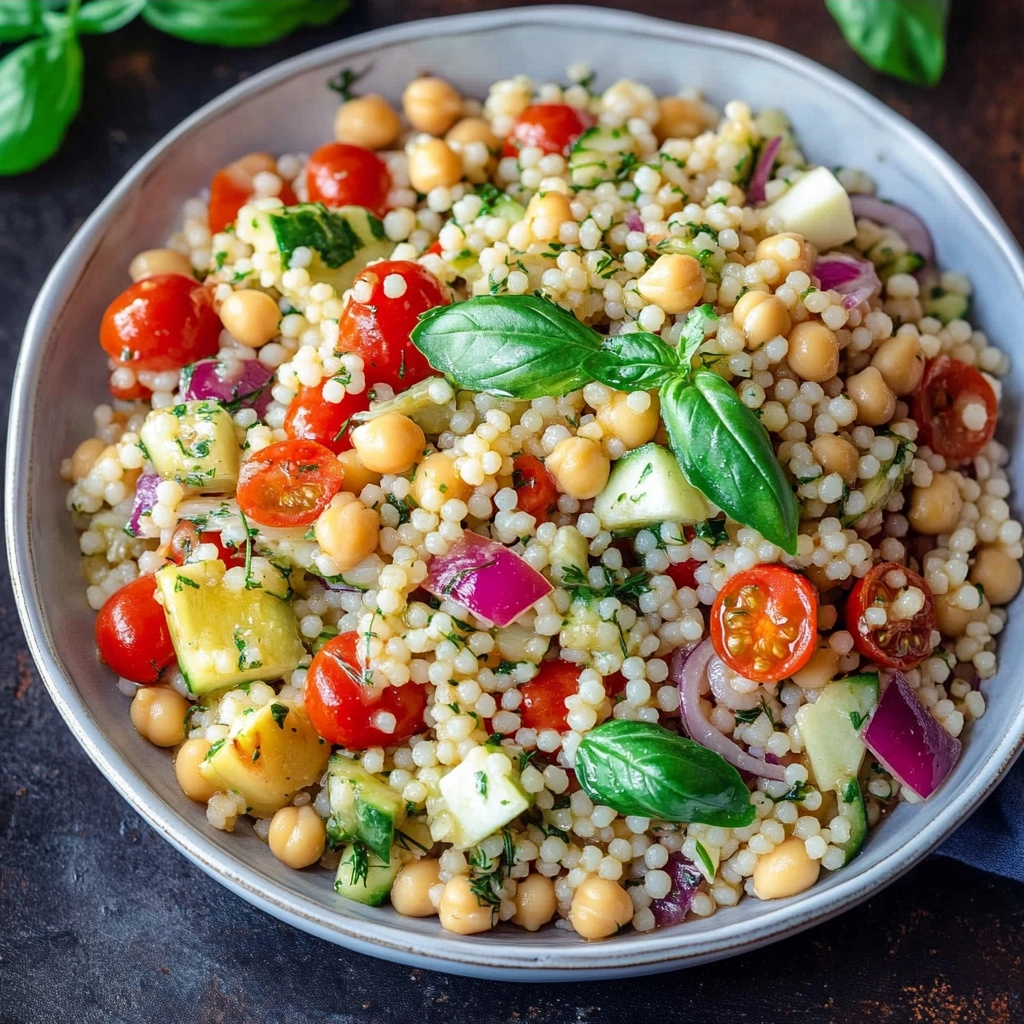
Mediterranean Couscous Salad
Ingredients
Method
- Preheat oven to 375°F (190°C)
- Toast couscous in olive oil over medium heat, stirring constantly until golden spots appear
- Add 2 cups boiling water to the pot, reduce heat, cover, and simmer for 10 minutes
- Drain thoroughly and let cool slightly
- Meanwhile, mix lemon juice, remaining olive oil, garlic, salt, and pepper for the dressing
- Combine cooled couscous with vegetables, feta, olives, and herbs in a bowl
- Add dressing and toss gently
- Chill for 30 minutes before serving
Nutrition
Notes
Use fresh garlic for the best flavor.
For a vegan/halal option, omit feta or use a halal vegan cheese alternative.
Adjust lemon juice to taste.
Ensure water is boiling before adding couscous.
Store leftovers in an airtight container for up to 3 days.