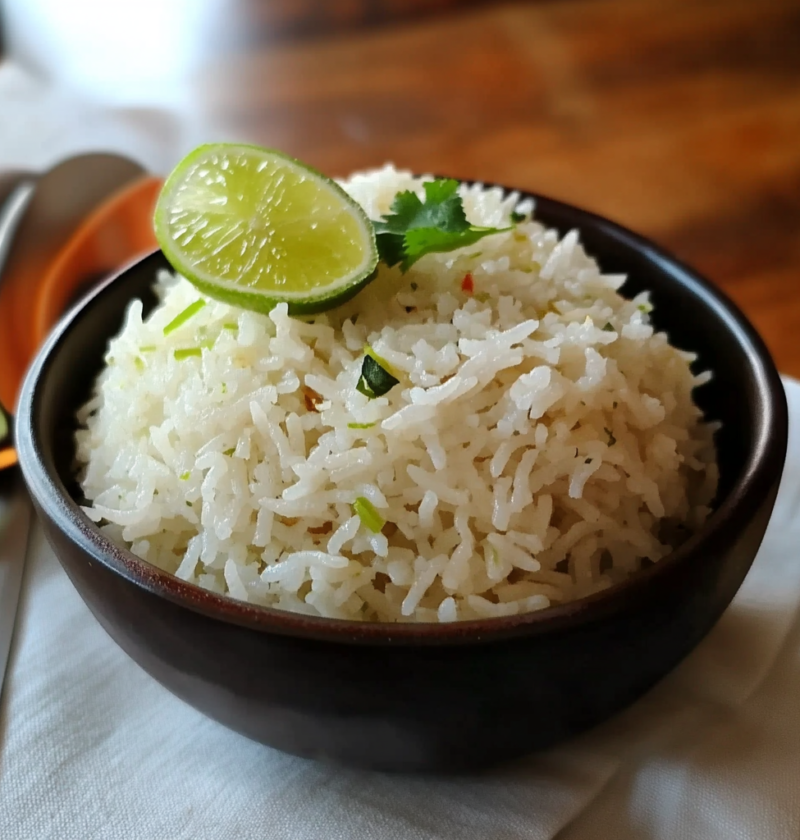
Coconut lime rice combines creamy coconut milk and bright citrus juice for a perfect aromatic side dish that pairs with many cuisines. This versatile grain recipe delivers a fragrant texture and rich flavor without excessive effort or complicated techniques. It stands out as a favorite comfort food option for family dinners or light lunch meals throughout the year.
Many home cooks struggle to balance moisture and flavor when preparing rice, but this method simplifies the process effectively. The key lies in toasting the rice and coconut flakes before adding the liquid ingredients to enhance the nutty profile significantly. You will find this dish complements grilled fish, roasted chicken, or spicy curries with remarkable ease.
| Detail | Information |
|---|---|
| Prep Time | 10 minutes |
| Cook Time | 30 minutes |
| Total Time | 40 minutes |
| Servings | 6 servings |
| Difficulty | Easy |
| Cuisine | Asian-Inspired |
| Category | Side Dish |
| Method | Stovetop Simmer |
Why This Recipe Works
This recipe works because it utilizes a specific toasting technique that unlocks deep flavor notes before any liquid is introduced to the pan. Toasting the basmati rice alongside flaked coconut creates a warm, nutty foundation that prevents the final dish from tasting bland or one-dimensional. I have perfected this method over many years of cooking to ensure the grains remain fluffy and distinct rather than becoming mushy.
The balance of acid from the lime juice and the fat from the coconut oil and butter creates a complex mouthfeel that keeps the rice from feeling heavy. Using chicken broth as the primary liquid adds a savory depth that contrasts beautifully with the sweet coconut milk. This savory-sweet dynamic appeals to a wide variety of palates and satisfies both picky eaters and adventurous food lovers alike.
You do not need a rice cooker to achieve this result, and the stovetop simmering method allows for better control over the heat level throughout the process. The five-minute resting period after cooking is essential for allowing steam to redistribute evenly within the grains for maximum fluffiness. This simple adjustment eliminates the need for over-stirring which can break the rice and create a gummy texture.
Chef Tips for Perfect Results
Ensure you rinse the rice thoroughly until the water runs clear to remove excess starch and prevent clumping during cooking.
- Use steady heat: Maintain a low simmer after the initial boil to prevent the bottom layer from burning before the top cooks through.
- Rinse the rice: Washing the basmati rice removes surface starch that can make the final dish sticky or gelatinous.
- Toast the coconut: Watch the flaked coconut carefully in the skillet so it does not brown too quickly and become bitter.
- Do not lift the lid: Opening the skillet during the simmering process releases steam that is necessary for even cooking.
- Use fresh lime: Fresh squeezed juice provides a brighter and more aromatic punch compared to bottled lime concentrate.
- Add salt early: Salting the liquid before cooking ensures the grains absorb seasoning evenly from the inside out.
- Rest before serving: Allow the pot to sit covered for at least five minutes so the moisture redistributes completely.
- Fluff gently: Use a fork rather than a spoon or spatula to avoid crushing the delicate grains.
Common Mistakes to Avoid
Most errors in cooking this dish stem from incorrect heat management or failing to rinse the rice sufficiently before cooking.
| Mistake | Why It Happens | How to Fix It |
|---|---|---|
| Sticky or Gummy Rice | Excess starch remains on the grains from not rinsing thoroughly enough. | Wash the basmati rice three to four times in cold water until the water runs clear before heating. |
| Burned Bottom Layer | The heat is too high during the simmering phase or the lid is not fitted tightly. | Reduce heat immediately to the lowest setting and ensure a tight-fitting lid traps the steam effectively. |
| Bland Flavor | Salt or seasoning was added too late in the process for the grains to absorb. | Add salt to the liquid mixture while it is bringing to a boil so the rice absorbs the seasoning. |
| Hard Centers | Cooking time was insufficient or the lid was lifted frequently releasing heat. | Keep the lid closed for the full twenty minutes and avoid checking the pot during this period. |
| Bitter Coconut Taste | Flaked coconut was toasted for too long in the hot oil. | Toast the coconut for only two minutes and remove it if it starts to change color significantly. |
I recommend checking the rice after the initial toasting phase to ensure the coconut turns golden rather than dark brown. A dark color indicates burning which will impart a bitter flavor to the entire pot. This visual cue is a simple way to ensure you produce a consistently delicious batch every single time.
Variations and Substitutions
This recipe offers significant flexibility for dietary needs and ingredient availability without sacrificing the core flavor profile.
| Ingredient or Element | Substitution or Variation | Impact on Flavor or Texture |
|---|---|---|
| Coconut Milk | Use unsweetened almond milk for a lighter option. | Reduces richness and calorie count but may lack creamy texture. |
| Butter | Substitute with vegan margarine or extra coconut oil. | Maintains richness without dairy and suits vegan diets. |
| Chicken Broth | Swap for vegetable broth for a vegetarian meal. | Keeps the savory depth while maintaining plant-based compliance. |
| Basmati Rice | Use Jasmine rice for a slightly softer texture. | Grains may be slightly more tender and fragrant than basmati. |
| Lime Juice | Add lemon or orange juice for a different citrus kick. | Changes the tartness profile but maintains the acidity balance. |
| Flaked Coconut | Omit nuts entirely if you have a tree nut allergy. | Removes the nutty crunch and textural contrast of the coconut. |
| Cilantro | Stir in fresh chopped cilantro after cooking. | Introduces a fresh herbal note that brightens the overall dish. |
| Serrano Pepper | Chop fresh chilies into the pot for heat. | Adds spicy heat for those who prefer a more zesty side dish. |
You can also add fresh herbs or spices like cardamom or turmeric to change the visual appearance or aroma. These small additions do not complicate the cook time but elevate the sensory experience significantly. The structure of this rice base is designed to hold bold flavors while remaining neutral enough to support main protein courses.
Serving Suggestions and Pairings
This versatile rice dish serves as an excellent pairing for proteins, salads, or appetizers at any meal gathering.
- Grilled chicken thighs with mango salsa for a tropical twist.
- Flaky white fish like cod or halibut seasoned with paprika.
- Vegetarian lentil curry with coconut and tomato bases.
- Spicy pork-free beef tacos with pickled onions.
- Crispy tempeh stir fried with fresh ginger and garlic.
- Baked salmon fillets roasted with lemon and dill.
- Roasted Brussels sprouts with balsamic glaze.
- Simple green salad with clementine segments and almonds.
For a complete meal, I suggest pairing this side dish with seared chicken strips and a light cucumber radish salad. The acidity in the rice helps cut through the richness of the meat while the lime zest adds a refreshing finish. This combination provides a balanced plate that satisfies hunger without feeling overly heavy after eating.
Make Ahead Options
You can prepare this recipe ahead of time and still maintain a high quality of texture and freshness without significant effort. The rice can be cooked up to twenty-four hours in advance if stored correctly in the refrigerator.
To maintain the best results, keep the cooked rice in an airtight container to prevent it from absorbing other odors in the fridge. When ready to serve, you can reheat the rice in a skillet with a small splash of water or broth to revive the moisture. This method ensures the grains do not become dry or hard when warming up.
Storage and Reheating
Proper storage is crucial for maintaining safety and preserving the quality of leftovers for subsequent meals.
| Method | Duration | Instructions |
|---|---|---|
| Room Temperature | 2 hours | Do not leave cooked rice out for more than two hours to avoid bacterial growth risks. |
| Refrigerator | 4 days | Store in a sealed glass or plastic container for optimal freshness. |
| Freezer | 2 months | Cool completely before freezing in portion-sized bags for easier reheating. |
| Reheating | 3 minutes | Heat on medium-low with a tablespoon of water to steam gently. |
| Make Ahead | 24 hours | Reheat with fresh lime juice to refresh the bright flavors. |
Always ensure the rice reaches an internal temperature of 165 degrees Fahrenheit during reheating to ensure food safety. If the rice looks dry when you open the container, add a tiny bit of liquid before microwaving or stovetop reheating. This simple step ensures the texture remains fluffy rather than clumpy.
Nutritional Information
Approximate values are based on one serving and may vary depending on exact ingredients and portion size.
| Nutrient | Amount per Serving |
|---|---|
| Calories | 350 |
| Protein | 8 grams |
| Fat | 15 grams |
| Saturated Fat | 10 grams |
| Carbohydrates | 50 grams |
| Fiber | 1 gram |
| Sugar | 1 gram |
| Sodium | 250 milligrams |
These estimates help home cooks plan their daily intake but actual numbers depend on brands and specific measurements used during preparation. Always consult a nutritionist for specific dietary advice tailored to your personal health needs and restrictions. Understanding the macronutrient balance allows you to incorporate this dish into a broader healthy eating plan effectively.
Frequently Asked Questions
Can I substitute coconut milk with another liquid?
Yes, you can use light coconut milk or almond milk for a lighter version of this dish. The fat content will be lower, but the texture remains creamy enough for most palates. Just ensure you adjust the salt level since coconut milk is naturally slightly sweet and savory.
How do I know the rice is fully cooked?
The rice should be tender with no hard center when you taste a few grains after the steaming time. If you find any hard spots, cover the pot and let it sit for another five minutes. If the liquid is absorbed and the grains swell properly, the cooking is complete.
Why is my coconut lime rice too sticky?
This issue usually occurs because you did not rinse the rice thoroughly before starting the recipe. Always wash the basmati until the runoff water is clear to remove excess starch. Soaking the rice for thirty minutes before cooking can also help loosen the grains further.
Can I freeze this rice for later use?
Yes, this recipe freezes well for up to two months without losing its flavor integrity. Allow the rice to cool completely before transferring it into a freezer-safe bag or container. Thaw in the refrigerator overnight and reheat gently to restore moisture.
What is the best way to store leftovers?
Store leftover coconut lime rice in an airtight container in the refrigerator for up to four days. Do not leave the dish at room temperature for longer than two hours to prevent spoilage. Label the container with the date to ensure you consume it within the safe window.
Does this recipe require special equipment?
No, a standard large skillet or saucepan with a tight-fitting lid works perfectly for this recipe. You do not need a rice cooker or special gadgets to achieve the desired fluffy and aromatic result. Basic kitchen tools are sufficient for mastering this side dish preparation.
Conclusion
This coconut lime rice recipe delivers a perfect balance of creamy texture and zesty flavor using simple techniques and accessible ingredients. The combination of toasted coconut and fresh lime zest elevates a basic grain into a standout accompaniment for any meal. You will love how easy it is to prepare this dish for weeknight dinners or special occasions alike.
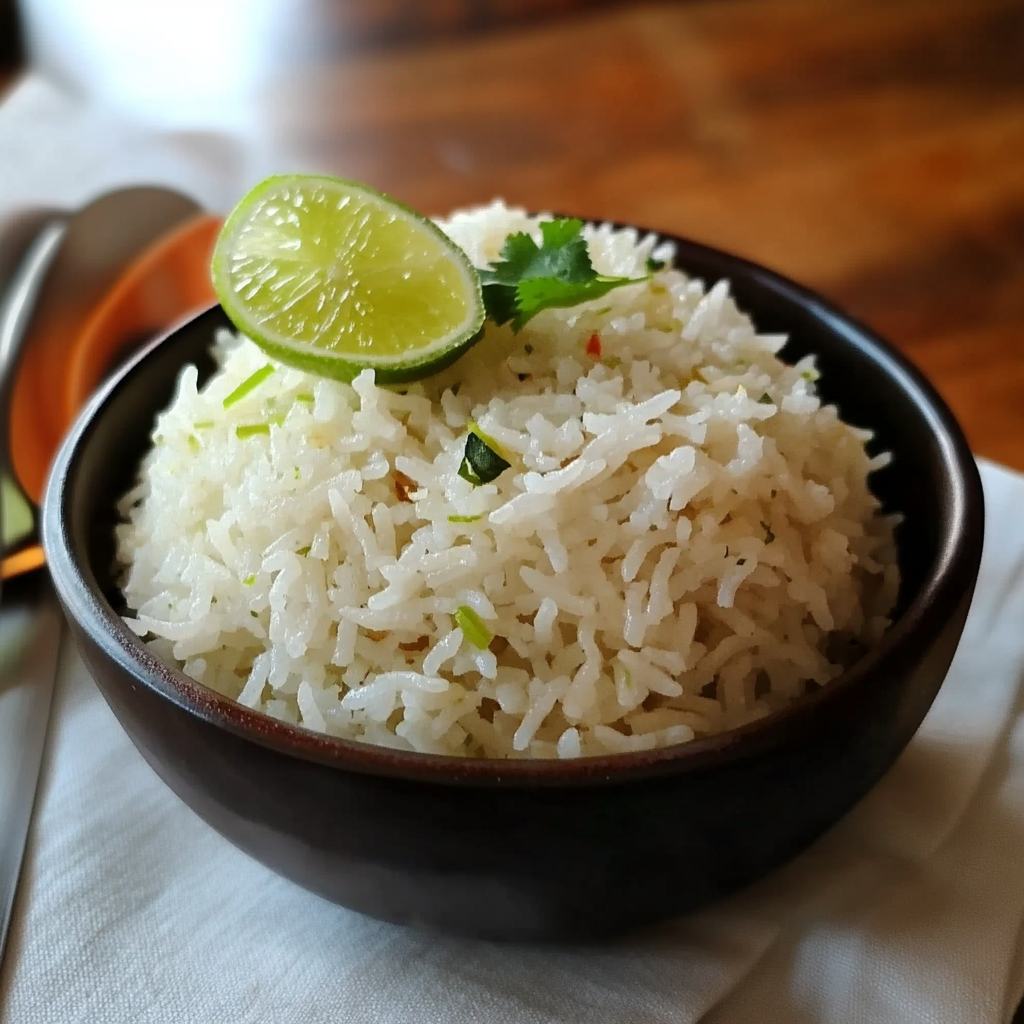
Coconut Lime Rice Recipe for Flavorful Side Dishes
Ingredients
Method
- Rinse rice in cold water until water runs clear.
- Heat butter or oil in a large saucepan over medium heat.
- Add rice and shredded coconut, toast for 2-3 minutes, stirring frequently until lightly golden.
- Pour in coconut milk, chicken broth, lime juice, salt, and pepper.
- Bring to a boil, then reduce heat to low. Simmer, covered, for 15 minutes without stirring.
- Remove from heat, let rest for 5 minutes. Fluff with a fork before serving.
Nutrition
Notes
Adjust lime juice to taste for brightness.
For a vegan version, substitute butter with coconut oil and ensure chicken broth is vegan.
Store leftovers in an airtight container for up to 3 days.