These Baby Back Ribs are slow cooked to absolute perfection with a rich, spicy rub and sticky glaze. The method ensures deep flavor penetration while keeping the meat incredibly moist throughout the long bake. This dish delivers a restaurant quality meal with a convenient home oven approach. The rub balances heat and sweetness to create a caramelized crust that complements the tender meat.
| Detail | Information |
|---|---|
| Prep Time | 20 minutes |
| Cook Time | 2 hours and 30 minutes |
| Total Time | 2 hours and 50 minutes |
| Servings | 4 people |
| Difficulty | Medium |
| Cuisine | American |
| Category | Main Course |
| Method | Slow Bake |
Why This Recipe Works
This recipe succeeds because it utilizes a low and slow cooking method that breaks down tough connective tissues without drying out the muscle fibers. The high heat rub ensures that the meat absorbs deep flavors before the final glaze step creates that signature sticky texture. By sealing the ribs in foil first, you generate a steamy environment that steams the meat until it falls off the bone effortlessly.
The sugar content in the rub helps create a natural glaze as it caramelizes during the initial bake and the final high heat step. This dual cooking method prevents the sugar from burning too early while ensuring a robust flavor profile that penetrates deep into the racks. The result is a dish that tastes like it was smoked for hours using only standard kitchen equipment.
Another key factor is the specific combination of spices. The ancho chile powder provides a smoky depth without overwhelming heat, while the cayenne and chipotle add a necessary kick. This balance allows the natural sweetness of the meat to shine through while creating a complex spice layer that complements the barbecue sauce perfectly.
Chef Tips for Perfect Results
To achieve consistent quality, you must focus on temperature control and foil sealing to lock in moisture effectively.
- Secure the foil tightly: Ensure the foil packet is completely sealed so no steam escapes during the initial cooking phase. This creates the necessary environment to braise the ribs in their own juices.
- Monitor the oven temperature: Use an oven thermometer to verify the heat settings are accurate. Fluctuations in oven temperature can lead to uneven cooking or dryness.
- Prick the fat side: Poking small holes in the back allows the rub to penetrate deeper into the meat rather than sitting on the surface.
- Discard accumulated juices: Removing the liquid before the final bake prevents the ribs from becoming soggy and helps the sauce adhere better to the meat.
- Apply glaze generously: Brush thick layers of sauce on multiple times to build up a substantial and sticky crust during the final minutes.
- Check for tenderness: Use a toothpick or knife to test if the meat is pulling away from the bone easily before removing it from the oven.
- Doneness testing: Look for an internal temperature or a bend test where the rack bends easily when lifted with tongs.
- Cooling is crucial: Let the meat rest for at least fifteen minutes to allow the juices to redistribute before carving the rack into individual pieces.
Common Mistakes to Avoid
Most failures occur when the cook rushes the process or does not properly manage the moisture levels during baking.
| Mistake | Why It Happens | How to Fix It |
|---|---|---|
| Risky Foil Seal | Open packets let steam escape too early | Double wrap with heavy duty foil to ensure a tight seal |
| Burnt Sugar | High heat applied too early in the process | Keep ribs wrapped during the first phase and add sauce only at the end |
| Undercooked Meat | Insufficient cooking time at low heat | Extend baking time by thirty minutes if the meat is still firm |
| Dry Texture | Too much liquid evaporates during baking | Ensure the foil is sealed and add a splash of broth if needed |
| Weak Flavor | Rub not pressed into the meat | Use fingers to massage the rub into the surface before baking |
| Soggy Bottoms | Juices are not discarded before finishing | Empty the foil packet of excess liquid before the final bake |
Variations and Substitutions
You can easily modify the spice levels or substitute ingredients to suit different dietary needs and flavor preferences.
| Ingredient or Element | Substitution or Variation | Impact on Flavor or Texture |
|---|---|---|
| Ancho Chile Powder | Smoked Paprika | Milder smoke flavor but still adds deep color |
| Brown Sugar | Honey or Maple Syrup | Sweeter glaze with a slightly different viscosity |
| White Sugar | Coconut Sugar | Adds a slight caramel note without the white sugar |
| Black Pepper | White Pepper | Milder heat and a different earthy flavor profile |
| Barbeque Sauce | Hot Sauce and Ketchup mix | More heat and tanginess for a spicy kick |
| Pork Ribs | Turkey Ribs | Leaner meat that absorbs flavor well without fat |
| Chipotle Pepper | Cayenne Only | No smoke flavor but maintains spice heat level |
Serving Suggestions and Pairings
This dish pairs best with classic comfort sides that balance the rich and savory flavors of the meat.
- Classic Coleslaw with a vinegar base to cut the sweetness
- Creamy Cornbread muffins for a soft and sweet side
- Braised Collard Greens with garlic and lemon
- Macaroni and Cheese with a cheddar glaze
- Cold beer or lemonade to cleanse the palate
- Baked Beans with brown sugar and bacon bits (use veggie alternative)
- Grilled Corn on the Cob with herb butter
- Garlic Mashed Potatoes with milk and butter
- Cheesy Broccoli Casserole for a green vegetable option
- Simple Garden Salad with mixed greens and dressing
- Roasted Sweet Potatoes with cinnamon and oil
For a complete meal, serve the ribs with a large platter of coleslaw and cornbread on the side. This combination offers a balance of textures from the crunchy slaw to the soft meat and fluffy bread.
Make Ahead Options
You can prepare most components of this dish a day in advance to streamline your cooking process on the day of serving.
The dry rub can be mixed ahead of time and stored in an airtight container for up to a week. Preparing the ribs and coating them with the rub a day before baking allows the flavors to penetrate the meat more thoroughly. However, do not bake them until you are ready to serve.
You can also bake the ribs fully a day ahead and reheat them in the oven. This ensures the meat is tender when you serve it and frees up your time for other dinner preparations. Just be sure to add the sauce during the final reheating stage to prevent drying.
Storage and Reheating
The leftovers keep well if stored properly in the refrigerator or freezer for future meals.
| Method | Duration | Instructions |
|---|---|---|
| Room Temperature | 2 hours | Do not leave out longer to avoid bacterial growth |
| Refrigerator | 3 to 4 days | Store in an airtight container with foil covering the ribs |
| Freezer | 2 to 3 months | Wrap tightly in plastic wrap and then heavy duty foil |
| Reheating | 15 to 20 minutes | Reheat in oven at 350 degrees Fahrenheit to restore crispiness |
| Make Ahead | 24 hours | Prepare rub and coat ribs before refrigerating overnight |
Nutritional Information
Approximate values are based on one serving and may vary depending on exact ingredients and portion size.
| Nutrient | Amount per Serving |
|---|---|
| Calories | 650 |
| Protein | 45 |
| Fat | 35 |
| Saturated Fat | 12 |
| Carbohydrates | 25 |
| Fiber | 1 |
| Sugar | 15 |
| Sodium | 1200 |
Frequently Asked Questions
Can I use a different type of meat for this recipe?
Yes, you can substitute the meat with turkey ribs or chicken wings for a lighter option. Adjust the cooking time slightly depending on the thickness of the meat to ensure it is cooked thoroughly without drying out. This allows for a variation in the final texture and calorie count while keeping the flavor profile consistent.
How do I know when the Baby Back Ribs are done?
The meat is done when it is easily separated from the bone with a fork or toothpick. If the meat pulls back from the bone and feels tender, the recipe is complete. Avoid overcooking as the meat can fall apart too much and lose its chewiness during the glazing phase.
Why are my ribs too dry after baking?
This usually happens if the foil packet was not sealed tightly during the first stage of cooking. Moisture escapes through the gaps and the meat dries out without the protection of its own juices. Ensure you use heavy duty foil and pinch all the edges together securely before placing it in the oven.
Can I prepare the rub a few days earlier?
You can mix the spice blend up to three days in advance and store it in a sealed jar. This helps the flavors meld together better before you apply them to the meat. Just keep the container in a cool, dry place away from direct sunlight.
What is the best way to serve the meat cold?
The meat can be eaten cold or reheated in a microwave for a quick lunch option. The flavor remains good even at room temperature if eaten within two hours. Reheating in the oven restores the best texture for leftovers.
How long does the meat stay fresh in the fridge?
Leftovers stored in the refrigerator will remain fresh for about three days. Always label the container with the date of preparation to track freshness. Dispose of any meat that has an off smell or texture.
Conclusion
This oven method provides a reliable way to achieve restaurant quality Baby Back Ribs without special equipment. The careful balance of spices and the slow bake ensure a tender result that is perfect for family dinners. We hope you enjoy this dish and the rich, smoky flavors it offers to your table.
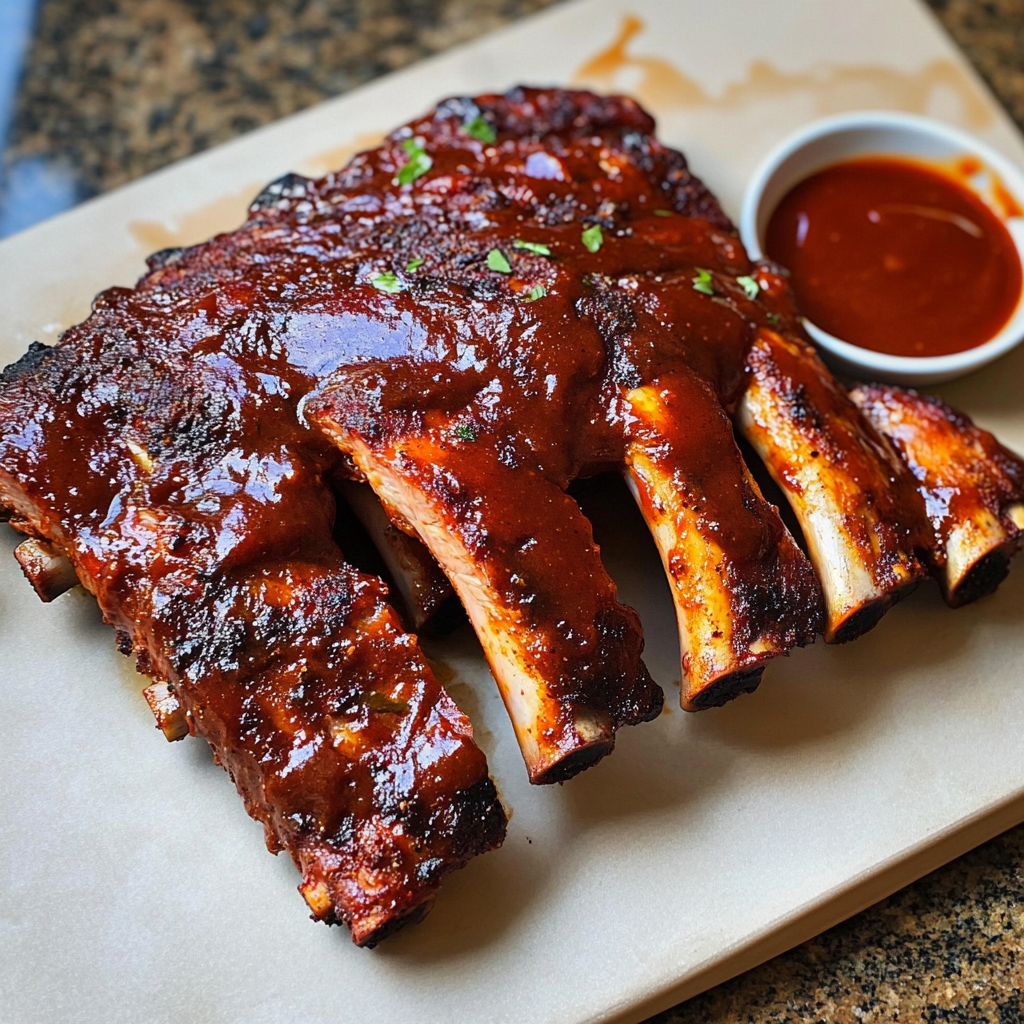
Halal Baby Back Ribs with Spicy Glaze for Fall-Off-The-Bone Tenderness
Ingredients
Method
- Preheat oven to 275°F (135°C)
- Pat lamb ribs dry with paper towels
- Mix rub ingredients and mustard into paste
- Apply spice rub generously to all sides
- Wrap ribs tightly in aluminum foil, sealing all edges
- Place on baking sheet and bake for 1 hour and 30 minutes
- Unwrap ribs and evenly spoon glaze over meat without sealing
- Increase oven to 375°F (190°C) and bake for 45 minutes
- Let rest 10 minutes before slicing