As I stood by the window, watching the first snowflakes dance from the overcast sky, the craving for a warm bowl of comfort ignited in me. There’s something incredibly soothing about a Hearty Korean Winter Soup, especially on crisp nights like these. This delightful Korean winter soup recipe features tender beef, velvety tofu, and a medley of aromatic vegetables simmered in a rich, savory broth. Not only is it a fantastic way to warm your soul, but it’s also a versatile dish that can be easily adapted to fit any dietary needs, whether you’re looking for gluten-free options or vegetarian swaps. Just imagine curling up with a steaming bowl, a blanket, and the cozy feeling this dish brings. So, are you ready to dive into a bowl of comfort? Let’s get started!
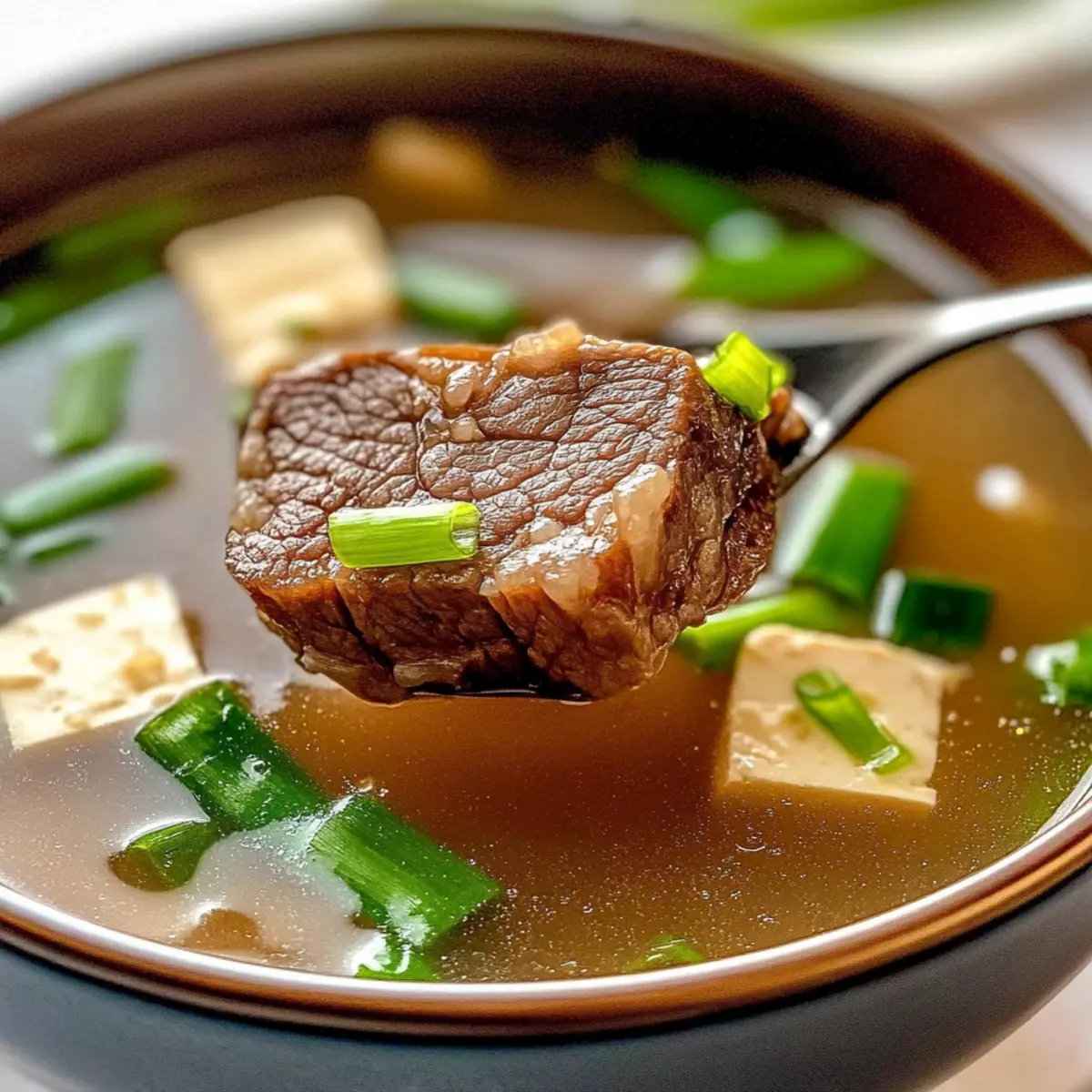
Why is this Korean Winter Soup special?
Comforting warmth: This soup envelops you in coziness, making it perfect for chilly evenings.
Flavor-packed broth: The rich, savory broth is a harmonious blend of aromatic vegetables and tender beef.
Versatile options: Easily customize it with vegetarian swaps like portobello mushrooms or tofu.
Quick prep time: With straightforward steps, you can whip this up in under two hours!
Family-friendly dish: It’s a crowd-pleaser that brings everyone together for a hearty meal.
Don’t forget to pair it with steaming jasmine rice for a fulfilling experience, and if you’re looking for more comforting options, check out my delicious Cheese Mushroom Soup!
Korean Winter Soup Recipe Ingredients
For the Beef
• Beef Short Ribs – Adds rich flavor and tender texture; can use beef shank or oxtail for similar results, or portobello mushrooms for a vegetarian option.
For the Tofu
• Tofu – Provides a soft, protein-rich element; firm tofu can be used for a firmer texture or omitted for a meat-only version.
For the Aromatics
• Korean Leek (or regular leeks) – Enhances aromatic flavor; substitute with green onions and chives for a similar taste.
• Onion – Forms the flavor base of the soup; keep onion skin on for additional depth in the broth.
• Garlic – Adds a robust flavor; chop finely to release more aroma.
• Ginger – Gives a warm, zesty touch; slice thinly for the best infusion.
• Green Onions – Freshness to the dish; reserve some for garnishing.
For the Broth
• Guk Ganjang (Korean soup soy sauce) – Provides a deep, savory flavor; substitute regular soy sauce mixed with a bit of fish sauce, or use tamari for a gluten-free option.
• Sea Salt – Enhances overall flavor; adjust to taste.
• Black Pepper – Used for seasoning and garnishing; freshly ground offers the best flavor.
For the Vegetables
• Radish – Contributes subtle sweetness and texture; white Korean radish is preferred; adjust cooking time if using regular radish.
This Korean Winter Soup Recipe is perfect for those looking to cook up a comforting meal that warms the heart and brings the family together!
Step‑by‑Step Instructions for Korean Winter Soup Recipe
Step 1: Soak the Beef
Begin by soaking the beef short ribs in a large bowl of cold water for 1 hour. This step helps to remove excess blood and impurities, ensuring a clearer broth in your Korean winter soup. After an hour, drain the water and pat the ribs dry, preparing them for the next stage of flavor development.
Step 2: Prepare the Aromatics
While the beef is soaking, prepare your aromatics. Cut a whole onion, leaving the skin on for added depth, and slice fresh ginger and garlic. Chop the green onions, setting aside a few for garnish. This aromatic base is essential for infusing your soup with rich flavors, so make sure to have them ready for the stockpot.
Step 3: Combine Ingredients in Stockpot
In a large stockpot, combine the soaked beef ribs, prepared aromatics, and 10 cups of water. Place the pot over medium-high heat, allowing the mixture to come to a rolling boil. As it heats up, be prepared to skim any foam that rises to the surface to maintain a clear broth, which is key for the visual appeal of your Korean winter soup.
Step 4: Simmer the Stock
Once the pot reaches a boil, reduce the heat to medium-low and let the broth simmer uncovered for 1 hour. During this time, continue to skim off any remaining foam as necessary. You’ll notice the broth starting to take on a beautiful golden hue, releasing an enticing aroma that sets the stage for deliciousness.
Step 5: Add Radish Slices
After an hour of simmering, introduce the sliced radish into the pot. Allow the soup to continue simmering for an additional 20 minutes, letting the tender radish infuse its subtle sweetness into the broth. Stir occasionally to prevent the radish from settling at the bottom, ensuring even cooking.
Step 6: Final Seasoning
At the end of the radish simmering time, carefully discard all the aromatics from the pot. Season the broth with guk ganjang, sea salt, and the chopped garlic. Let the soup simmer for another 10 minutes, allowing the flavors to meld together beautifully, resulting in a rich and savory Korean winter soup.
Step 7: Garnish and Serve
Once the broth is perfectly seasoned and aromatic, it’s time to serve! Ladle the hot soup into bowls, garnishing with freshly chopped green onions and a sprinkle of black pepper for an added kick. Serve alongside a steaming bowl of rice, and savor the comforting experience that your Korean winter soup brings to the table.
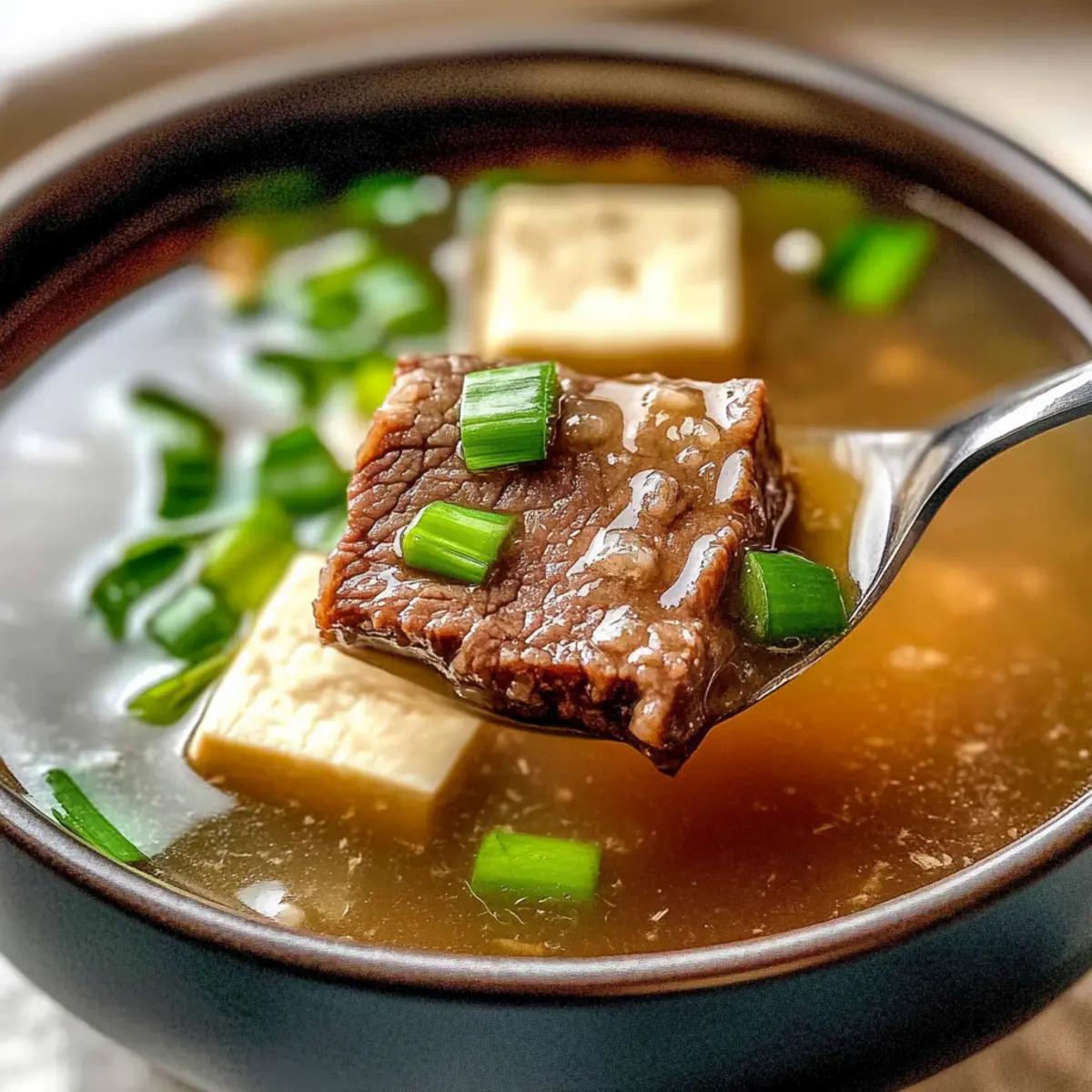
What to Serve with Hearty Korean Winter Soup
Imagine curling up on a chilly evening with a bowl of soul-warming goodness by your side.
- Steaming Jasmine Rice: This fluffy rice soaks up the savory broth perfectly, making every bite more satisfying and fragrant.
- Crusty Bread: A fresh baguette or sourdough bread is perfect for dipping, adding a delightful crunch that complements the soup’s velvety texture.
- Kimchi: The spicy and tangy explosion from kimchi balances the rich flavors, introducing a pop of color and a probiotic punch.
- Pickled Vegetables: These crunchy, tart bites are a classic Korean side, adding brightness and a delightful contrast to the hearty soup.
- Korean Pancakes (Pajeon): The soft, savory pancakes made with scallions offer a wonderful texture layer alongside your comforting soup, while their slight crispiness brings variety.
- Sesame Spinach: This light, nutritious side dish adds freshness, balancing the rich soup with its earthy taste and vibrant green color.
- Refreshing Salad: Consider a simple cucumber salad with a tangy dressing to cleanse the palate and provide a refreshing contrast to the warm soup.
- Sweet Rice Cake: Enjoy a sweet rice cake for dessert—a delightful way to end the meal on a comforting note, harmonizing with the soup’s warmth and richness.
Make Ahead Options
These Hearty Korean Winter Soup preparations are perfect for busy home cooks looking to save time during meal planning! You can soak the beef short ribs up to 24 hours in advance to remove impurities, ensuring a clear broth. Additionally, you can chop the aromatics (onion, garlic, ginger, and green onions) and store them in an airtight container in the refrigerator for up to 3 days. When ready to enjoy the soup, simply bring the prepped ingredients to a boil, simmer with radishes as instructed, and finish with seasoning before serving. This method keeps the soup just as delicious and warms up easily, allowing you to savor comfort without the stress!
Expert Tips for Korean Winter Soup
Skimming Foam: Ensure to skim off foam regularly while simmering. This step is key for achieving a clear broth in your Korean winter soup.
Gradual Seasoning: Taste and adjust seasoning gradually. When substituting ingredients, flavors may vary, so start with less and add more as needed.
Ingredient Substitutions: Don’t hesitate to experiment with substitutions! For instance, using portobello mushrooms can create a delicious vegetarian variation without sacrificing flavor.
Soaking Time: Always soak the beef short ribs, as this not only cleans but also enhances the broth’s clarity—don’t skip this step!
Finish with Freshness: Garnish with fresh green onions and black pepper just before serving. This final touch brightens the flavors and adds visual appeal to your soup.
How to Store and Freeze Korean Winter Soup
Fridge: Store leftover Korean winter soup in an airtight container for up to 3 days. Reheat on the stove over medium heat, stirring occasionally, until warmed through.
Freezer: For longer storage, freeze the soup in freezer-safe containers for up to 2 months. Ensure the soup is cooled completely before sealing to preserve the texture.
Reheating: When reheating from frozen, thaw in the fridge overnight before warming gently on the stove. Add a splash of water if the broth has thickened.
Separation Tip: If using tofu, consider adding it fresh when reheating, as frozen tofu may change texture and become less soft.
Korean Winter Soup Recipe Variations
Feel free to take this comforting soup on a delightful detour, adding your personal touch to each bite!
- Dairy-Free: Omit any dairy ingredients and replace with coconut milk for a creamy twist without the dairy.
- Vegetarian Delight: Swap beef with hearty portobello mushrooms or seitan for a robust, meat-free option. The mushrooms will soak up all the lovely flavors, replicating that umami taste beautifully.
- Gluten-Free: Use tamari or coconut aminos instead of guk ganjang for a gluten-free version that still packs a savory punch.
- Veggie Boost: Toss in bok choy, spinach, or carrots to increase nutrition and add vibrant colors. These veggies not only enhance the flavor but also bring a gorgeous crunch to your soup.
- Extra Heat: Add a sprinkle of gochugaru (Korean red pepper flakes) or fresh chili slices for a spicy kick that warms you right up. Just a little can elevate the flavor profile to new heights!
- Savory Swaps: Try using chicken or turkey in place of beef for a lighter protein option. Shredded chicken mixed in can create a uniquely comforting bowl, perfect for any night of the week.
- Herb Infusion: Experiment with fresh herbs like cilantro or basil to add a refreshing twist to your soup. These herbs will infuse a delightful fragrance and brightness into each spoonful.
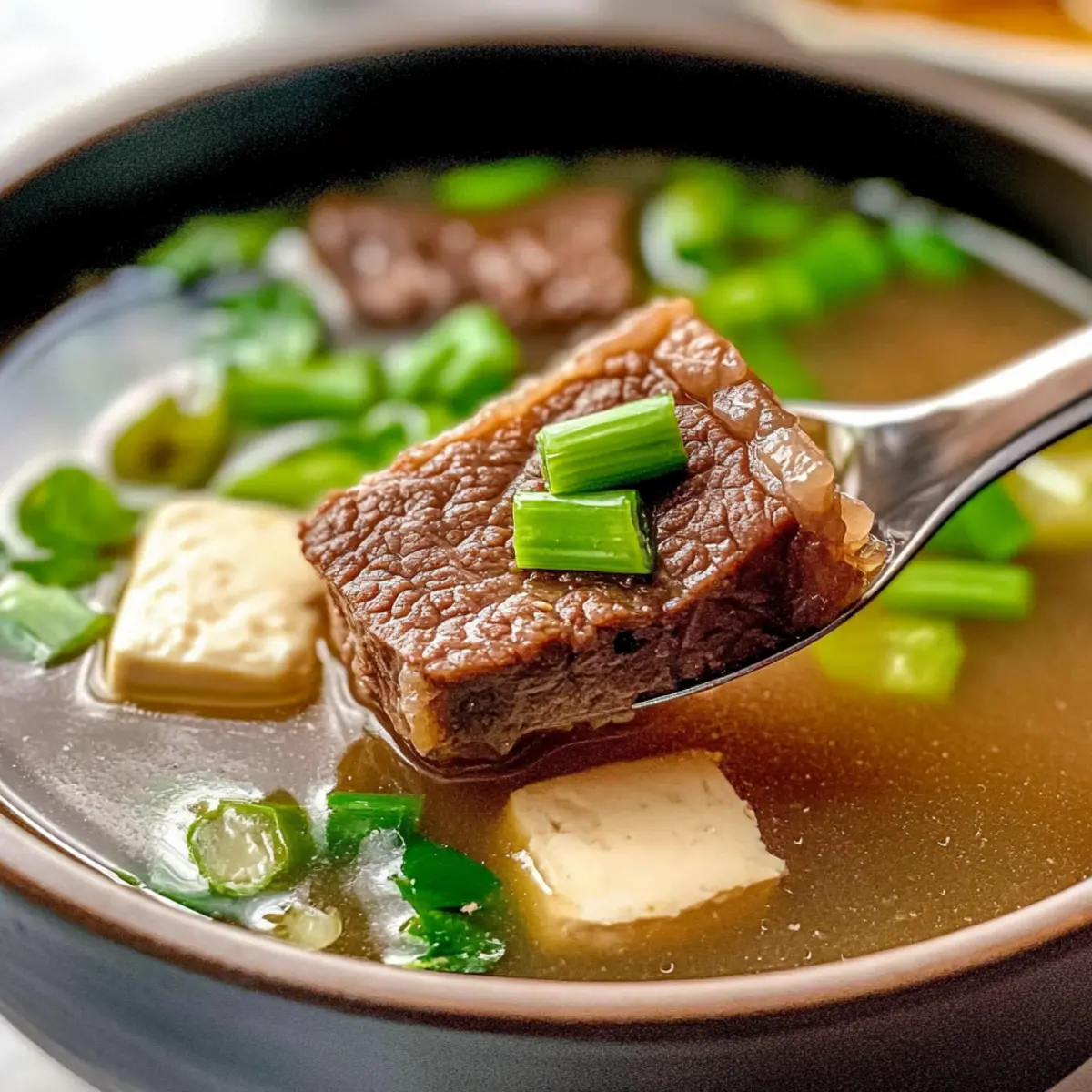
For even more flavor-packed recipes, don’t miss out on trying my delightful Korean Pot Roast, which is perfect for those cozy family dinners!
Korean Winter Soup Recipe FAQs
What ingredients should I choose for the best flavor?
Absolutely! For the best flavor, opt for fresh ingredients. Look for beef short ribs with a good amount of marbling for tenderness. The Korean leek adds a unique depth—if unavailable, regular leeks or a mix of green onions and chives will work well. Make sure your radish is firm and free of dark spots; this will ensure sweetness in your soup.
How should I store the leftover Korean winter soup?
Store your leftover Korean winter soup in an airtight container in the fridge for up to 3 days. The flavors deepen when reheated, enhancing the overall taste. Simply reheat gently over medium heat on the stove and enjoy it again!
Can I freeze the Korean winter soup?
Certainly! To freeze, let the soup cool completely, then transfer it into freezer-safe containers. It can be stored for up to 2 months. When you’re ready to enjoy it again, thaw it in the refrigerator overnight and gently reheat on the stove. A little splash of water can help restore its original consistency if it thickens.
What if my broth is too oily or cloudy?
If your broth turns out oily or cloudy, don’t worry! Skimming the foam while it simmers helps with clarity, but you can also strain the broth through a fine-mesh sieve after cooking to remove impurities. If there’s excess grease, use a spoon to skim the top before serving.
Is this Korean winter soup suitable for my dietary restrictions?
Very! This recipe can be easily adapted for various dietary needs. For gluten-free options, simply use tamari instead of guk ganjang. To make it vegetarian, substitute beef with portobello mushrooms or seitan and omit the tofu if desired. Always double-check for allergies to specific ingredients!
How can I enhance the dish with additional flavors?
I often recommend adding bok choy or spinach to boost nutrition and add color to your Korean winter soup. Feel free to sprinkle a bit of gochugaru (Korean red pepper flakes) for a warm kick; just adjust according to your family’s spice preference.
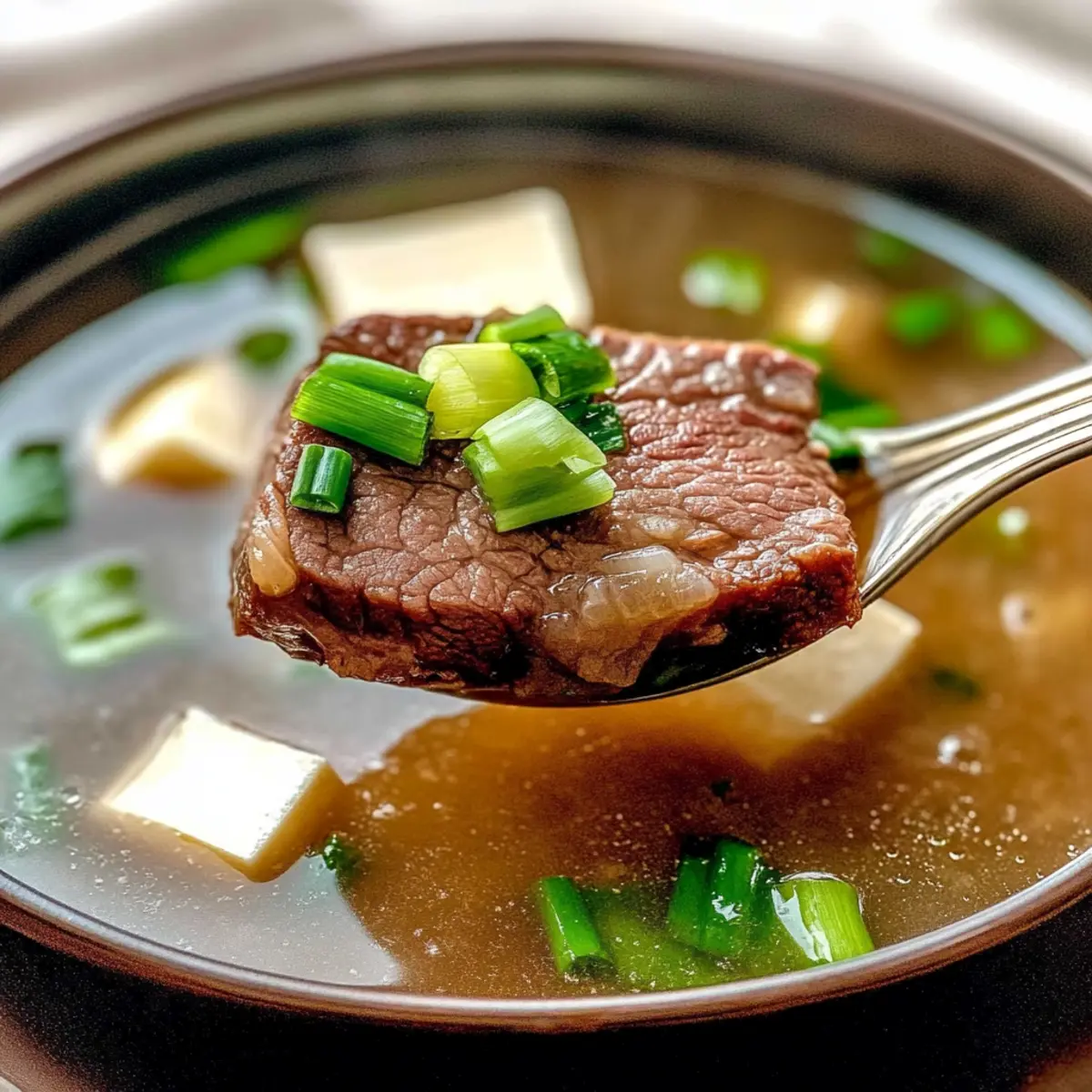
Comforting Korean Winter Soup Recipe That's Full of Flavor
Ingredients
Equipment
Method
- Begin by soaking the beef short ribs in a large bowl of cold water for 1 hour. This step helps to remove excess blood and impurities.
- While the beef is soaking, prepare your aromatics. Cut the onion, leaving the skin on, and slice the ginger and garlic. Chop the green onions, setting aside a few for garnish.
- In a large stockpot, combine the soaked beef ribs, prepared aromatics, and 10 cups of water. Place the pot over medium-high heat and allow the mixture to come to a rolling boil.
- Once the pot reaches a boil, reduce heat to medium-low and let the broth simmer uncovered for 1 hour, skimming off any foam as necessary.
- After an hour of simmering, introduce the sliced radish into the pot and allow the soup to continue simmering for an additional 20 minutes.
- At the end of the radish simmering time, discard all the aromatics from the pot. Season the broth with guk ganjang, sea salt, and chopped garlic, then let it simmer for another 10 minutes.
- Once the broth is perfectly seasoned, ladle the hot soup into bowls, garnishing with freshly chopped green onions and a sprinkle of black pepper.